

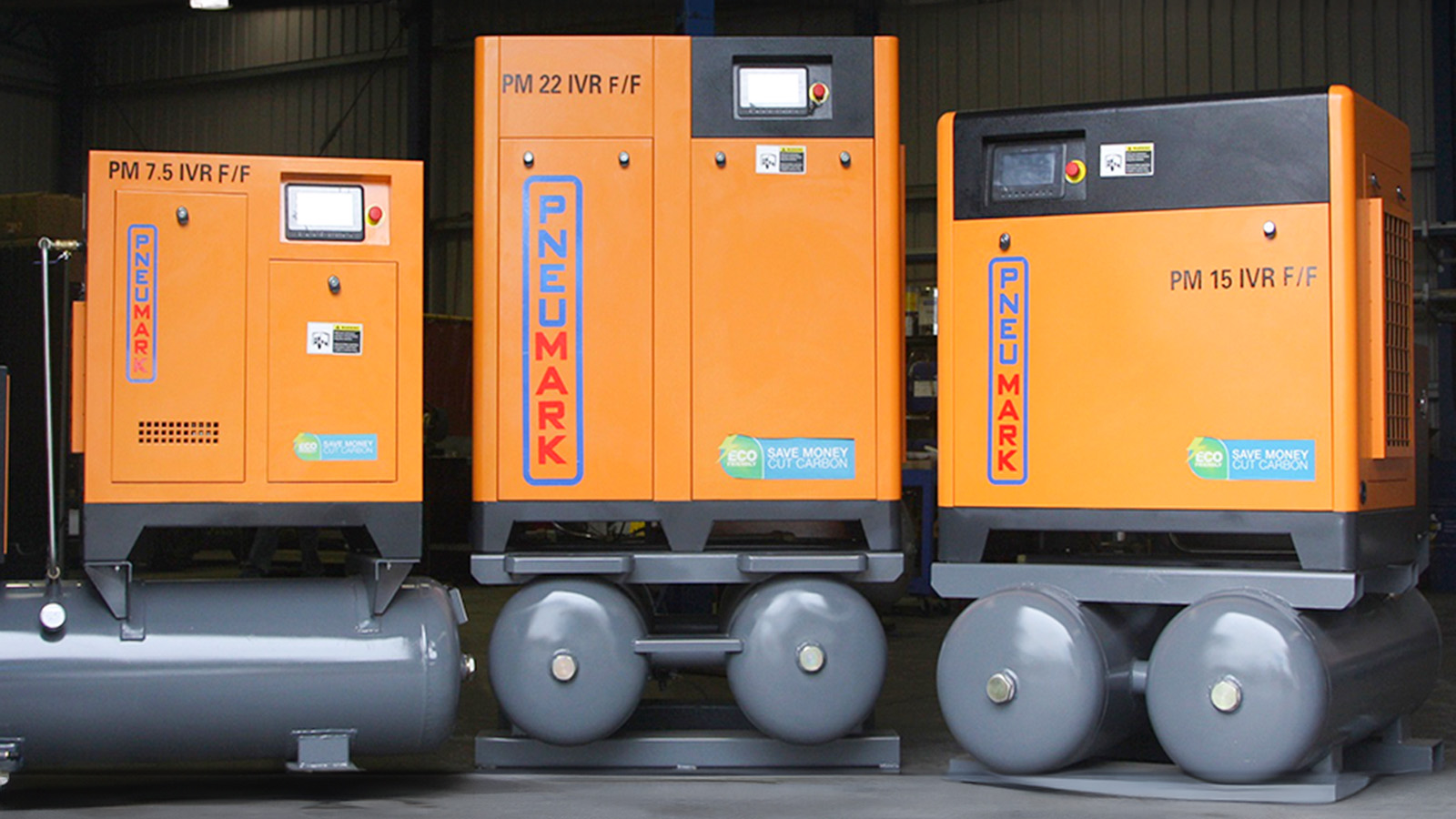
A rotary screw air compressor is one of those machines that does its job quietly in the background, but without it, a lot of industries would simply stop.
If you’re asking what is a rotary screw air compressor? in simple terms, it’s a machine that takes in air and squeezes it using two spinning rotors. No pistons banging up and down. Just two screws are turning against each other inside a housing. That’s really the core idea.
They’re used anywhere you need air for long periods — workshops, factories, construction setups, and even mining support operations. In places like Perth, where equipment often runs hard and long, these machines show up everywhere for a reason.
SL Engineering deals with these systems regularly because they’re a standard part of industrial setups across WA.
So, how does a rotary screw air compressor work? It helps to picture two long metal rotors sitting side by side. They look like big screws or helical gears. One is the male rotor. One is the female rotor.
When the machine starts, both of them spin in opposite directions. Air comes in through the intake valve and gets trapped between the threads. As the rotors keep turning, that trapped pocket of air gets pushed along the chamber. The space around it gets smaller and smaller. That’s where compression happens.
Nothing dramatic. No sudden action. Just constant squeezing as the air moves forward. By the time it reaches the outlet, it’s under pressure and ready to be used.
It’s continuous too. That’s the key difference. There’s no stop-start cycle like a piston compressor. Once it’s running, it just keeps going.
If you break it down simply, the process goes like this:
That’s it.
But what’s interesting is how smooth it all is. There’s no pulsing. No vibration spikes as you’d get from older compressor types. That’s why they’re used in environments where steady air pressure matters more than anything else.
In a lot of Perth workshops and industrial sites, you’ll notice screw air compressors running almost constantly during the day. They’re built for that kind of load. And because of that steady, continuous delivery of air, the whole system tends to run more efficiently, with less strain placed on both the compressor itself and the tools that depend on it.
In environments where production can’t afford interruptions, that level of consistency becomes less of a luxury and more of a requirement for keeping operations running without delays.
Industrial screw air compressors aren’t designed for occasional use. They’re designed for pressure and endurance.
The reason the screw design works so well is that there are fewer moving parts compared to piston systems. Less impact. Less wear from sudden force changes. Inside the chamber, the rotors don’t actually touch. There’s a thin oil film in oil-injected models that helps seal and cool everything. That also reduces friction and heat.
So instead of mechanical shock, you get smooth rotary motion. This is also why they last longer under heavy workloads. For industries that can’t afford downtime — manufacturing lines, fabrication shops, and mining operations — this matters more than anything else.
Most screw air compressors you’ll see are oil-injected. Oil is added to the compression chamber for three reasons: cooling, sealing, and lubrication. It makes the system more efficient and helps it handle long run times without overheating. The trade-off is that the oil needs to be separated out before the air is used.
Then you’ve got oil-free systems, which are more specialised. No oil enters the compression chamber at all. That means the air coming out is clean from the start. These are used in industries where contamination is a problem — food production, pharmaceuticals, and electronics.
They’re more expensive, but they’re necessary in those environments. Both types fall under industrial screw air compressors, just used for different purposes depending on how clean the air needs to be.
In WA, especially around Perth, air compressors are everywhere once you start looking. A lot of businesses in Perth rely on compressed air for tools, machinery, and production lines. Whether it’s automotive workshops, metal fabrication, or construction sites, air is basically another utility like electricity.
A typical Perth air compressor setup has to deal with heat, dust, and long operating hours. That combination is where screw compressors make sense. They handle continuous load better. They don’t struggle with overheating the way smaller systems can when pushed too hard.
And they’re not just about power — they’re about consistency. Tools run more smoothly when the air pressure doesn’t drop halfway through a job.
That reliability is what keeps them in use across so many industries here.
SL Engineering, based in Perth, works around systems like this regularly.
Most people don’t think much about compressed air until something goes wrong. Pressure drops, tools slow down, production gets interrupted. That’s usually when the system gets attention. Whether it’s setup, maintenance, or supporting existing installations, screw air compressors are a core part of industrial work across WA.
That’s where reliable engineering support becomes important, especially in keeping systems running efficiently under load. In many cases, the real difference comes down to how well the system is designed and maintained over time. Businesses that get this right tend to see fewer breakdowns, more consistent output, and better overall performance.
And honestly, the machine itself isn’t complicated once you break it down. Two rotors, continuous flow, steady compression. The real complexity is in keeping it running efficiently over time.
That’s where SL Engineering experience matters more than theory.
A typical Perth air compressor setup has to deal with heat, dust, and long operating hours. That combination is where screw compressors make sense. They handle continuous load better. They don’t struggle with overheating the way smaller systems can when pushed too hard.
And they’re not just about power — they’re about consistency. Tools run more smoothly when the air pressure doesn’t drop halfway through a job.
That reliability is what keeps them in use across so many industries here.