


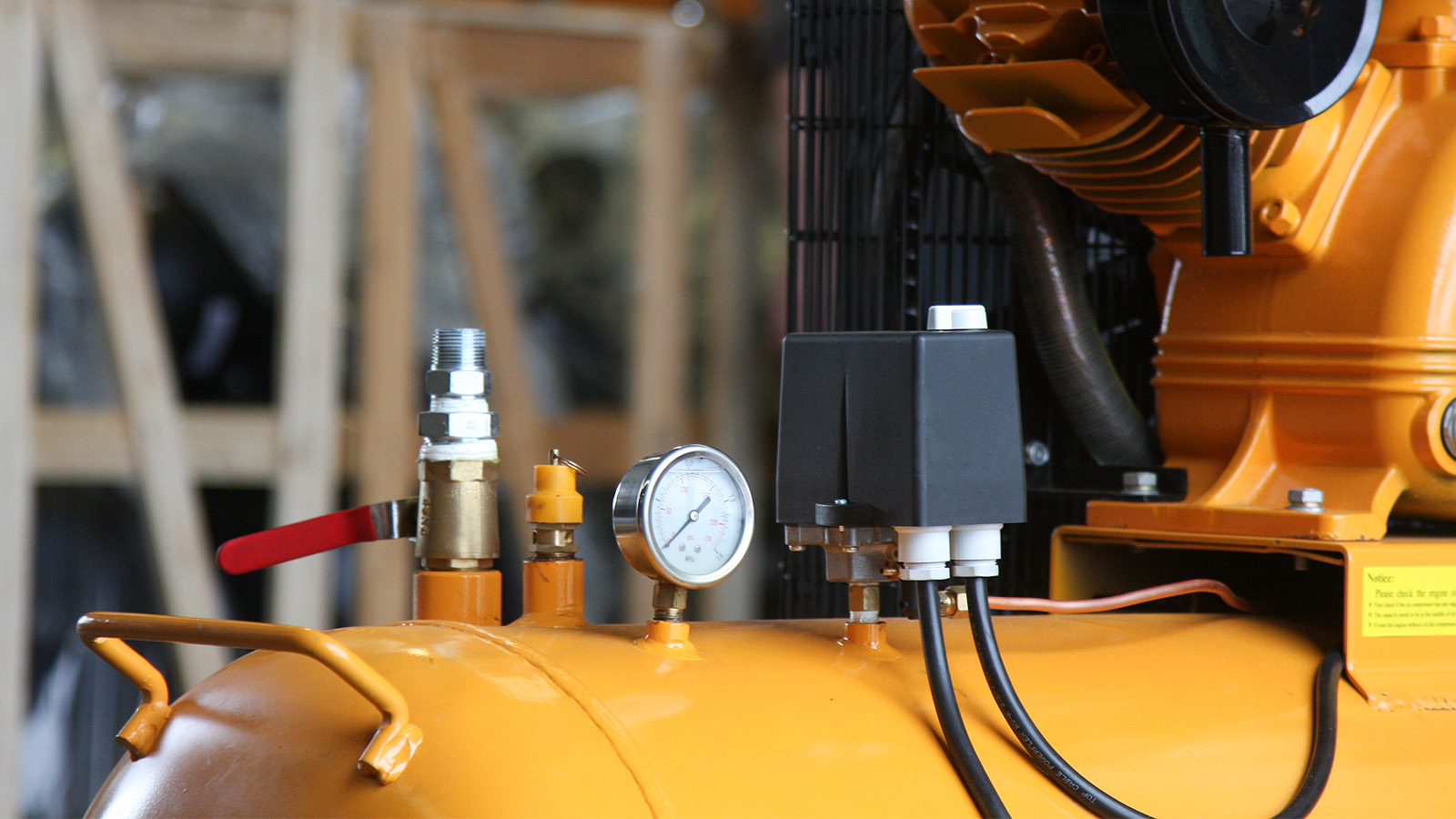
Air compressors are in many workshops and worksites in Perth. Small trades, large factories, even some mobile setups. When they run properly, most people don’t think twice about them. But when something goes wrong, it usually comes back to one thing. Air is leaking out somewhere it shouldn’t be.
At SL Engineering, we see this a lot with air compressors Perth businesses use every day. The machine itself is fine most of the time. The problem is usually small leaks that build up over time and get ignored.
An air compressor leak is pretty simple. Compressed air escapes from the system before it gets used. That air might be leaving through a fitting, a hose, a valve, or even a cracked line somewhere in the system.
It doesn’t always sound dramatic. Sometimes it’s just a faint hiss you only notice when everything else is turned off. Other times it’s completely silent, which is worse because it just keeps costing money without anyone realising.
Most air compressors for businesses develop leaks in the same places over and over again.
Connections that have loosened up. Rubber hoses that have gone hard or cracked. Old seals that don’t quite hold pressure anymore. Sometimes, fittings that were never tightened properly in the first place.
We also see it in older pipe setups, especially in workshops where the system has been added onto over the years instead of being replaced properly. It’s not unusual. It just happens with use and time.
You don’t always need fancy tools. Start simple, and listen.
If the workshop is quiet, a small leak will often sound like a soft hiss somewhere along the line. Then physically check it. Run your hand along hoses and joints. You can sometimes feel the air escaping if it’s bad enough.
Soapy water works too. Spray it on joints and fittings. If bubbles form, that’s your leak.
Another sign is pressure dropping when nothing is running. If the gauge keeps falling, something is not sealed properly.
A small leak doesn’t look like much. But compressors don’t think in “small.” They just keep running to replace lost air. That means higher energy use. More wear on parts. Less efficiency overall. Over time, it adds up.
For an air compressor supplier in WA like SL Engineering, this is one of the most common issues we deal with. Not because the machines are bad, but because leaks slowly develop and get ignored until performance drops.
Final word
Air leaks are normal in a working system. But they shouldn’t be left alone. A quick check now and then saves a lot of trouble later. Less strain on the compressor. Lower costs. More reliable operation.
If you’re dealing with ongoing air compressor leak issues, it’s worth getting it looked at properly instead of just topping things up and hoping it holds.