

Types of Air Compressors: Which Is Right for Your Project
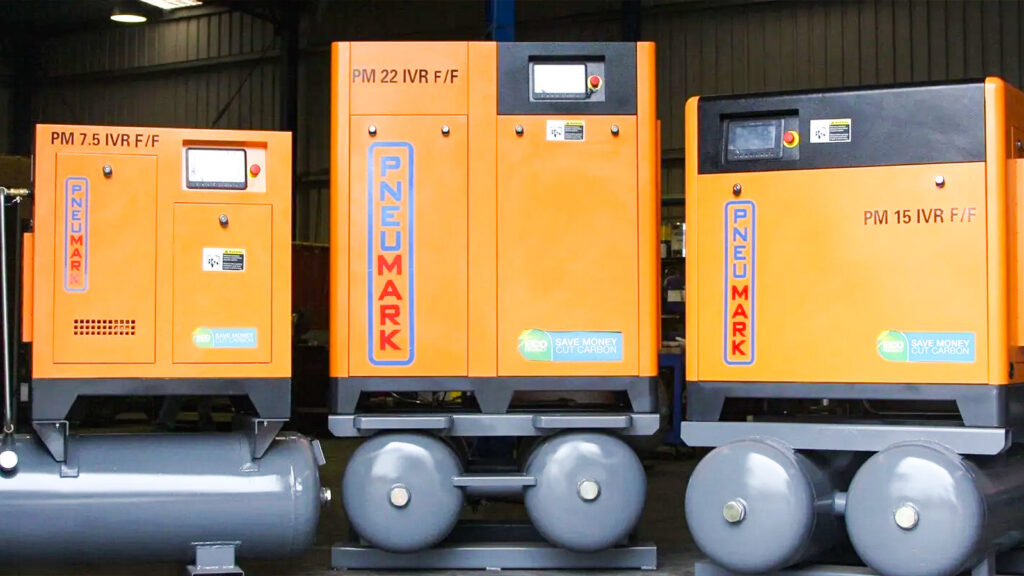
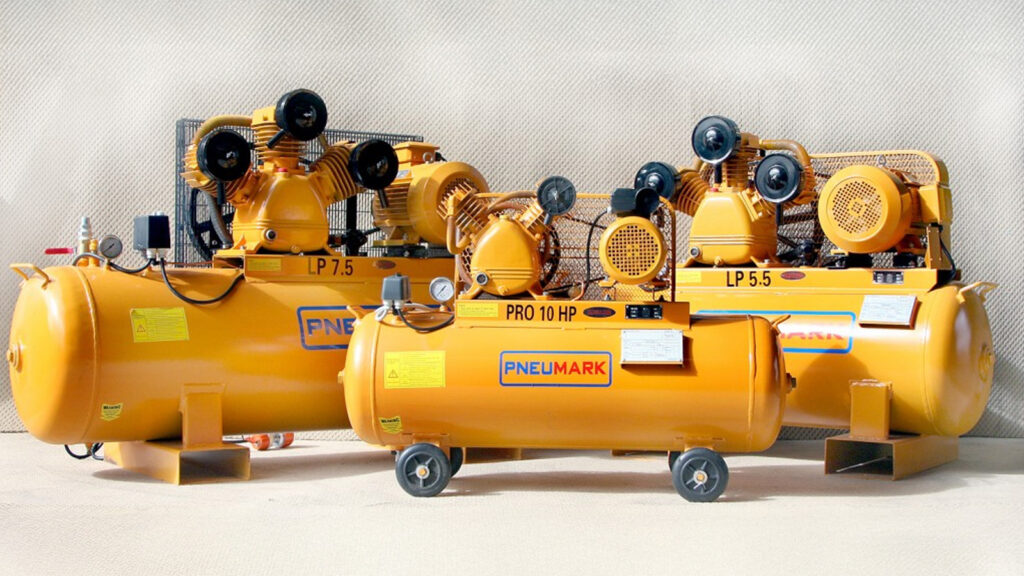
Types of Air Compressors: Which is Right for Your Project An air compressor is one of the most important additions for businesses. A compressed air system is crucial for operating pneumatic tools, such as wrenches and hammers, material handling, supporting production lines, and other applications. It is used for everything from blowing and drying to spray painting and packaging at manufacturing plants, industrial facilities, construction sites, and automotive garages. You can only reap the benefits of compressed air when you choose the right type. In this blog, we list the different air compressor types to help you make the right decision. Read to the end to learn about the various types of air compressors on the market and how they can benefit your business. Here are Four Major Air Compressor Types Rotary Screw Compressors This is arguably the most popular compressor in the industrial world. Also simply known as the screw air compressor, this is a highly reliable compressor you can trust for an uninterrupted compressed air supply. The working principle of a rotary screw compressor is simple. It relies on two interlocking helical screws to compress air and move it through the compression chamber. The constant rotary screw movement means the air intake and the compression never stop. Here are four important stages of rotary screw air compression. Air intake Air trapping Compression Discharge Here are situations when investing in rotary screw air compressors is sensible: You need a non-pulsating, continuous supply of compressed air. Your air demand is high and consistent You want to prevent downtimes at all costs You want to lower energy bills You want to bring down the noise levels You are planning to scale or grow operations Reciprocating (Piston) Air Compressors Powered by crankshaft-driven pistons, reciprocating air compressors are always in high demand. The back-and-forth motion of the pistons ensures efficient air compression, enough to power pneumatic tools and equipment. One key thing to understand before sourcing piston air compressors is that they operate in start-stop cycles. Meaning, the air supply will be pulsated. Unlike screw air compressors that can operate continuously 24×7, reciprocating piston air compressors are designed to run on a defined duty cycle. The duty cycle is determined by how long the air compressor can work before entering the rest or cool-down period. Piston air compressors come in two designs, single-stage and double-stage. It represents the number of times the air is compressed before being discharged. Double-stage piston air compressors are designed to provide higher pressure output than single-stage. Here are situations when investing in reciprocating piston air compressors is sensible: When you need higher pressure but lower airflow The compressed air demand is intermittent It is for a small to medium-sized workshop You seek a lower maintenance cost You are on a budget You seek portability Axial Compressors Investing in axial compressors for generic applications is usually overkill. The working principle of axial compressors is interesting. These compressors boast a shaft, simply called the compressor shaft, that’s crucial to the entire compression process. Parallel to the shaft are usually a series of stationary and rotating blades. When the air passes through these blades, the force gradually multiplies. This facilitates the delivery of a large volume of air despite the unit being relatively compact. Here are situations when investing in axial compressors is sensible: You seek very high airflow volumes You seek low to moderate pressure ratios You are looking for a compact air compressor unit You operate in power generation or specialised industries Centrifugal Compressor The top-of-the-line compressors, centrifugal models, are ideal for large manufacturing units, refineries, and power plants. These premium compressors are oil-free and ensure a continuous, non-pulsating air supply 24×7. The working principle of a centrifugal compressor is quite interesting. An impeller in the compressor draws in atmospheric air. It relies on a diffuser to convert kinetic energy into compressed air, ensuring a continuous air supply. Here are situations when investing in centrifugal compressors is sensible: You want low to zero vibration You want clean, oil-free compressed air Your facility is open 24×7 Energy efficiency is crucial for your operations Choosing The Right Air Compressor For Your Project Buying the right air compressor type is crucial to ensure maximum efficiency. Considering factors such as airflow requirement, pressure levels, duty cycle, and energy efficiency is crucial. It won’t be an exaggeration to say that the reciprocating piston compressors and rotary screw compressors dominate the market for generic industrial applications. If you are looking for a trusted supplier for your compressed air needs, look no further than SL Engineering in Perth, WA. Setting benchmarks in the compressed air industry since 1988, our brand name is synonymous with quality. Our home brand, Pneumark, has an exceptional range of air compressors compliant with Australian design standards. Apart from piston and screw air compressor types, we also supply air receivers, air dryers, and digital tyre inflators. Call (08) 9399 9412 or email info@slengineering.com.au to get a free quote.
What Is an Air Receiver and Why Is It Important?
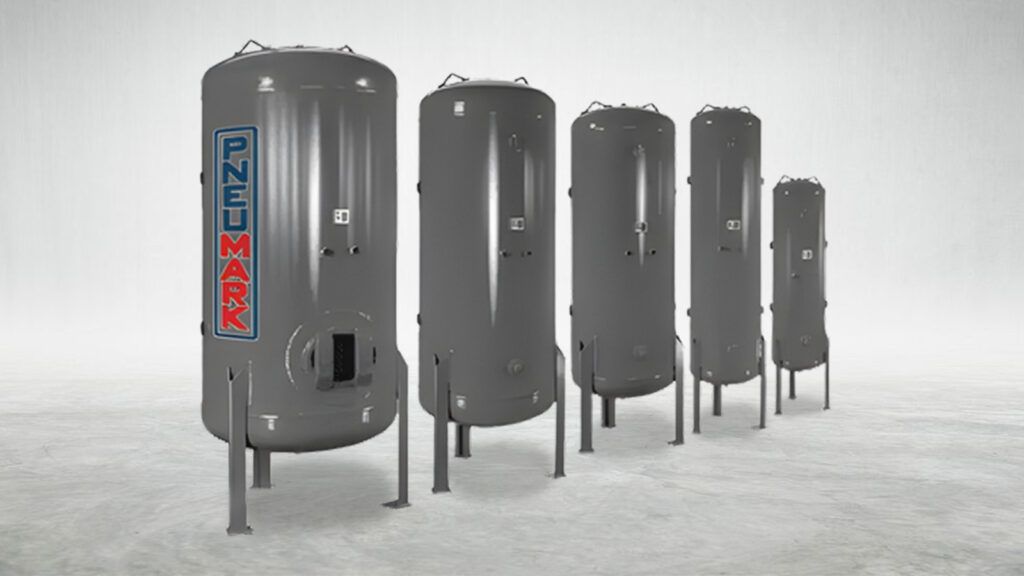
What Is An Air Receiver? A compressed air system has many intricate units. While the compressor is the core component of the system, the receiver is integral to it as well. Also known as a pressure vessel or air receiver tank, it is used to store compressed air to meet demand at a manufacturing facility, industrial plant, or workshop. While storage is an important function of air receivers, that’s not its only purpose. A receiver is important for stabilising pressure and preventing compressors from working under stress or overheating. An air receiver can singlehandedly maximise the efficiency of your compressed air system. Why Should You Invest In an Air Receiver? By storing excess air for peak demand, an air receiver prevents downtime and keeps the pneumatic tools and equipment running. Here are the key reasons to invest in an air receiver for your compressed air system. Peak Demand Management Downtimes are extremely frustrating for business owners. If your tools and equipment rely on compressed air to function, it is imperative to invest in air receivers. By storing compressed air for future use, the receivers allow you to mitigate peak demand. When the demand for compressed air exceeds the capacity of your air compressor, the air receiver tank acts as a buffer, preventing pressure drop. Pressure Stabilisation Fluctuations are not ideal for your pneumatic equipment and machinery. Compromised efficiency, pressure drops, and performance fluctuation are all problems caused by pressure instability. Stable pressure improves operational efficiency and protects equipment, reducing maintenance and repair costs. Moisture Elimination Moisture is a byproduct of air compression. When atmospheric air is compressed, the temperature increases. As the compressed air travels downstream, it cools, resulting in condensation. The air receiver tank is the perfect place for the condensed liquid to settle and be drained with the help of drain valves. Draining moisture is important to prevent corrosion and internal damage. Emergency Storage If you have a peak season coming up or are working at a facility with a limited or unreliable energy supply, it makes sense to invest in an air receiver. It serves as a critical backup source of compressed air, keeping your pneumatic tools and equipment running efficiently. Moreover, abrupt power failures stand to damage sensitive components. The emergency storage provided by the air receiver gives operators valuable time to shut down tools and equipment safely. Types of Air Receivers There are different types of air receivers, each with its own set of features and advantages. Continue reading to learn the types of air receivers, their features, and ideal use cases. Wet Air Receiver This receiver is placed between the compressor and the dryer. As the name suggests, a wet air receiver is designed to handle and store compressed air with moisture still present. It cools the air, allows condensation to settle, and eventually rids it through the drain valves. Acting as the primary separator, wet air receivers make the job of air dryers easy by removing oil and moisture in bulk. These receivers do a great job of making the entire compressed air system energy and performance-efficient. Dry Air Receiver The primary difference between a wet and a dry air receiver is the placement. The dry air receiver is installed downstream of an air dryer. Designed to store dry, treated air, this air receiver plays an important role in pressure stabilisation and consistent supply. While the job of eliminating the moisture doesn’t lie with dry air receivers, they do a great job of preventing moisture re-entry. For improved air quality, a dry air receiver is an important investment. Vertical Air Receiver The air receiver gets its name due to the vertical, upright tank designed to store compressed air. These air receivers are perfect for compact facilities where space comes at a premium and boast good vertical clearance. As far as moisture management is concerned, the vertical air receiver facilitates better separation, powered by gravity. Horizontal Air Receiver For larger manufacturing units, industrial facilities, and spacious workshops, horizontal air receivers are perfect. Since they occupy more horizontal space, these air receivers are ideal for limited vertical clearance. Moreover, horizontal air receivers are perfect for mounting under compressors. The design facilitates more storage of compressed air, making it ideal for heavy-duty applications. Why Choose SL Engineering For Reliable Air Receivers? Setting benchmarks in the compressed air industry since 1988, SL Engineering is a name you can trust for all your compressed air requirements, including sourcing the best vertical air receivers. Our home brand, Pneumark, features a wide range of air receivers specifically designed to suit conditions in Western Australia. You can rely on us to buy air receivers with a capacity between 150 and 5200 litres. Moreover, expert guidance, enhanced customer service, and maintenance and installation services set us apart from the competition. Think SL Engineering, think reliability. Conclusion Investing in the right air receiver can make or break your compressed air system. SL Engineering in Perth, WA, is a one-stop destination for all your compressed air system requirements. Our wide range of air receivers is design-approved in accordance with AS1200. At SL Engineering, we supply air receivers ranging from 1000 kpa to 1450 kpa. Call (08) 9399 9412 or email info@slengineering.com.au to get a free quote today! We are the best air compressor suppliers in Western Australia.
Understanding Compressed Air Systems and Their Uses
Understanding Compressed Air and Its Uses If you are wondering what compressed air is, you are at the right place. To put it simply, compressed air is to pneumatic tools what electricity is to electronic appliances. Referred to as the fourth utility (alongside water, gas, and electricity), compressed air keeps industries and manufacturing facilities running smoothly. Without compressed air, there can be no pneumatic tools or equipment. Generated using industrial air compressors, compressed air is usually stored in air receivers before being connected to the end-point tools via pipes and hoses. SL Engineering has been a leader in Western Australia’s compressed air industry since 1988. Drawing from our extensive experience, in this blog, we list what you need to know about compressed air and its uses. What is Compressed Air? Air is all around us. However, to turn it into potential energy, and then kinetic energy, it is pressurised into a smaller space using air compressors. The air mainly comprises around 78% nitrogen and 21%. Oxygen. What is compressed air? The mechanics of generating compressed air are simple. The air compressor draws air in, either through pistons or screws, and forces it into a smaller space, such as a tank. This forced volume reduction, through compression, makes the air molecules bind tighter. Key Components of Compressed Air Systems Air Compressor The heart of the system, the entire operation depends on its performance. The air compressor unit draws in atmospheric air and converts it to compressed air. This is done by forcing the air into a smaller space, thus binding together the air molecules more tightly. Air compressors are mainly of two types, piston and screw. Prime Mover/Motor The air compressor draws power from the prime mover or motor to kickstart the compressed air cycle. Powered by either diesel or electricity, the prime mover, or motor, makes air compression possible. Air Receiver Air fluctuation is detrimental to the consistent operation of pneumatic tools and equipment. This is where the air receiver comes into play. Also known as pressure vessels, air receivers are used to store compressed air generated by the main compressor unit. Apart from storage, the air receiver is where the primary, bulk removal of moisture and contaminants occurs. Dryer The primary purpose of the dryer is to remove all the moisture from the compressed air. It is crucial to ensure the longevity of air compressors and ensure clean air. Vertical, horizontal, refrigerated, desiccant, membrane, and deliquescent are the most common air dryers used to keep compressed air up and running. What Are The Benefits of Compressed Air? The use of compressed air for industrial applications has significantly risen in the last few decades. Businesses often invest in compressed air systems to reduce ballooning energy bills, dependency on electricity alone, and diversify their energy solutions to keep the business running. To understand what compressed air is, you must know about its benefits. Here are some of the most significant benefits of compressed air. Safety Air compressors from trusted manufacturers are built to withstand harsh working conditions. It is common to spot air compressor units at mining sites, construction sites, workshops, and in hot, humid manufacturing facilities. Why is that? It is because of the impressive safety of compressed air systems. They do not generate heat at end-point tools, preventing safety hazards such as blasts or sparks that could harm you or your employees. Resistance to high temperature, humidity, and moisture makes compressed air systems very reliable. Portability Thanks to the impressive portability of air compressors, they can be used in remote locations or places with limited, inconsistent power. Compressed air can be easily stored in portable tanks. Moreover, even pneumatic tools are lighter than their electrical counterparts. This further improves the portability and makes transportation to work sites a much lighter and easier affair. Clean Energy For highly sensitive applications demanding clean, toxin-free air, compressed air is a great choice. Pharmaceutical, biotechnology, food processing, medical, electronics, and petrochemical industries greatly benefit from clean air and thus, rely on compressed air systems. The Uses of Compressed Air The versatility of compressed air makes it immensely popular across industries. Continue reading to learn about the significant uses of compressed air systems industry-wise. Manufacturing Compressed air, the “fourth utility”, is an inextricable aspect of modern manufacturing units. It is used to power a wide range of pneumatic tools, such as: -wrenches-drills-cylinders-conveyors-hammers The cost-effectiveness of compressed air and the lightweight of pneumatic tools facilitates increased efficiency and productivity in manufacturing plants. Transportation Heavy vehicles such as trucks, buses, and trailers use compressed air to make braking systems much more reliable and safe. These heavy vehicles rely on engine-driven air compressors not just for braking but also for suspension, transmission gear shifting, and even opening/closing bus doors. Automotive Workshops You will hardly find an automotive workshop in Australia that doesn’t use a compressed air system for tyre inflation. Be it the old-school analog tyre inflators or the cutting-edge digital models, compressed air is at the heart of this equipment. Apart from tyre inflation, air compressors are also used for cleaning. Pneumatic blowers, dusters, and scrapers cannot function without reliable air compressors. Conclusion We have explained in this blog what compressed air is and its many uses. When it comes to compressed air systems, you cannot leave anything to luck. You must work with an experienced player like SL Engineering for high-performance compressed air systems. Our home brand, Pneumark, boasts a wide range of piston and screw air compressors, among the best in Western Australia. Apart from selling air compressors, we also supply reliable air receivers and dryers to ensure efficient operations. You can also rely on us for scheduled servicing, plant inspection, and installation at competitive rates.
Different Types of Compressed Air Dryers Explained
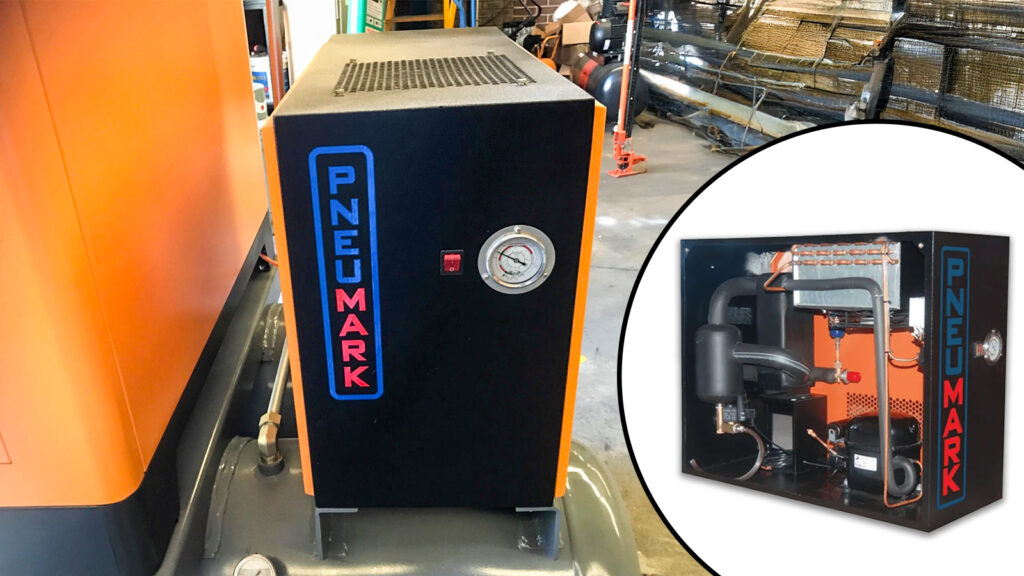
What Are the Different Types of Compressed Air Dryers? It is general knowledge that compressed air systems generate condensation. This is a result of atmospheric air being compressed and cooled. Here’s the simple physics behind it. When compressed, the air temperature rises, and as it travels along the system, the temperature drops. As a result, the moisture in the air condenses, becomes water, and accumulates within the compressed air system. If not cleared, this moisture causes internal corrosion, damages the air compressor components, and pneumatic equipment. This is where compressed air dryers prove to be useful. The functioning of compressed air dryers depends on their specific type. Here are some common types of compressed air dryers. Air dryers are generally fitted after the air compressor and before the receiver tank. There are different types of dryers. Continue reading to learn all about it. What Are the Different Types of Compressed Air Dryers? 1. Refrigerated Air Dryers This is one of the most common and effective air dryers used across industries. As the name suggests, this air dryer cools compressed air to low temperatures, causing the moisture to condense. Refrigerated air dryers achieve a pressure dew point of 3°C to 10°C. This intentional condensation process allows water to be separated and drained before any damage to compressor components or pneumatic tools occurs. It is one of the simplest yet most reliable solutions to avoid condensation-induced corrosion. Refrigerated air dryers are cost-effective, demand minimal maintenance, and are perfect for uninterrupted operations. These air dryers are most commonly used at manufacturing plants, workshops, and automotive service centres. 2. Desiccant Air Dryers When it comes to energy efficiency, desiccant is the best among the different types of dryers. This dryer significantly differs from a refrigerated one in how it dries the air. Desiccants are materials that can absorb moisture from their surroundings. Activated alumina, silica gel and molecular sieves are the most common desiccants used in air dryers. These dryers can achieve extremely low dew points of –40°C to –70°C. Desiccant air dryers are designed to deliver ultra-dry air, making them ideal for critical industrial processes. Investing in a desiccant air dryer is recommended for industrial processes such as pharmaceuticals, electronics, and food processing. 3. Membrane Air Dryers In membrane air dryers, hollow polymer fibres play an important role in separating moisture from air. These semi-permeable membranes effectively separate water vapour from compressed air. Moisture passes through the membrane walls and is vented out as humid air. Clean, dry air flows through the outlet to power pneumatic tools and equipment. There are no moving parts in the membrane air dryers. Hence, they demand minimal maintenance. Compact, lightweight, and no electricity required! While not best suited for heavy-duty industrial applications, these compressors are perfect for point-of-use applications, laboratories, medical equipment, and small compressed air systems. 4. Deliquescent Air Dryers Achieving a dew point of -6°C to 10°C, deliquescent air dryers are widely sought after for their ability to provide consistent dry air, without hassle. Deliquescence is a chemical process in which a solid substance absorbs moisture from the atmosphere until it dissolves. A deliquescent air dryer uses salt tablets to absorb moisture from the air. These tablets dissolve as they absorb water. The resultant liquid is drained from the system quite easily. Since their operation is straightforward, deliquescent air dryers are ideal for places with limited energy, such as construction sites, mining, and remote locations. The lower installation and maintenance costs are attractive features of deliquescent air dryers, making them popular. Conclusion Choosing the right air dryer is crucial for maximising the efficiency of compressed air systems and preventing premature damage to compressor components. Different types of dryers have specific features and advantages. Choosing the right dryer depends on factors such as required dew point, application sensitivity, operating environment, and energy efficiency. SL Engineering in Perth, WA, is a one-stop destination for all your compressed air requirements. We supply Pneumark refrigerated air dryers, perfect for 20 cfm to 500 cfm and 2°C to 5°C dew point. Our air dryers are used for spray painting, tyre inflation, medical, car maintenance and food packaging. Call (08) 9399 9412 or email info@slengineering.com.au to get a free quote today.
Repair or Replace? Making the Right Call for Air Compressors
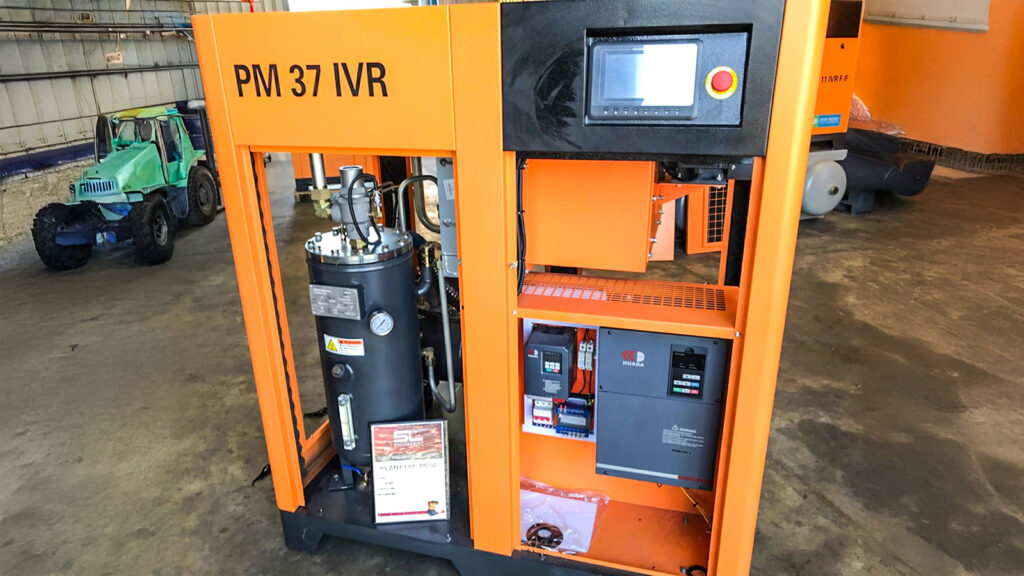
Repair or Replace? Making the Right Call for Your Air Compressor An air compressor is the backbone of many industrial operations. The compressed air system is crucial for powering a wide range of pneumatic tools and machinery. If you are experiencing problems with the compressed air system, the natural question that arises is whether to repair or replace the air compressor. Let’s be honest, for businesses, time is money. Each minute wasted means lost productivity and declined profits. However, the decision to repair or replace an air compressor must not be taken lightly. You must consider many different factors before making the call. In the end, being impulsive is not the right option. Read this blog till the end to make the right call for your malfunctioning air compressor Major Signs It’s Time To Replace Your Air Compressor Frequent Breakdowns If your operations are frequently interrupted due to malfunctioning air compressors, it is probably a sign to replace them. Constant operations disruption is counterproductive in more than one way. While it diminishes the total workout possible in a day, it also affects employee morale and kills motivation. The breakdown frequency tends to worsen with time. Hence, if you are incurring significant repair costs currently, it is only fair to assume they will increase with time. In such instances, it is best to replace the air compressor. Increased Output Requirement When your business grows, so does the need for reliable compressed air solutions. Your old air compressor might not be able to keep up with the growing demand. A better, newer, and larger air compressor can effectively meet your growing needs and even future-proof the business from recurring repair costs. Parts Unavailability One of the major problems faced with older air compressor models is the unavailability of parts. Damage to even the most common part can be costly, as you waste time and effort. In some cases, the models are so obsolete that, despite the best efforts, you won’t find reliable part replacement. Relying on cheap, fake replacements has more negatives than positives. Signs Your Air Compressor Needs Repair Relatively New Purchase In the context of air compressors, a unit is considered old only after 10 to 15 years of consistent usage. Until then, an air compressor is considered relatively new. During this period, you mostly don’t have to worry about replacements. If the air compressor hasn’t accumulated many working hours, you can safely choose repairs over replacement. Relevant Technology You can safely consider repairs over replacement in air compressors if its features haven’t been largely replaced by newer technology. If you have an air compressor with relevant technology, you can safely choose repairs. One-Off Incidents If the air compressor issue is an isolated incident and the unit has been generally reliable, you can fix it with minimal repairs. Replacement becomes necessary when there is a pattern of regular breakdowns. Minor problems are not always signs of ongoing problems. Availability of Parts If the manufacturer still produces replacement parts for your unit, you need not worry about replacing it anytime soon. Air compressor repairs become relatively easy when exact parts for specific models are readily available. No unnecessary wastage of time, effort, or money. Trust SL Engineering in Perth for Your Air Compressor Requirements Whether for buying a new air compressor, reliable repairs, or servicing, you can put your trust in SL Engineering in Perth, WA. Setting benchmarks in the compressed air industry since 1988, our house brand, Pneumark’s air compressors, are Australian design approved. The larger build of our units is made with Western Australian weather conditions in mind. Our extensive selection features the best screw air and piston compressor models. One of the best things about our screw air compressors is that they consume up to 40% less energy. This means, within the first two years, you recover the original price. An air compressor that pays for itself. Isn’t that awesome? Repairs & Servicing From SL Engineering We don’t just sell air compressors in Perth. Our team comprises experienced technicians and engineers who help keep compressed air systems running smoothly. Here are some of the air compressor services we offer. Plant Inspections & Registration Scheduling Services Air Compressor Installation Air Compressor Rental From using original parts to employing fully licensed maintenance personnel, SL Engineering leaves no stone unturned when it comes to air compressor servicing. Call (08) 9399 9412 or email info@slengineering.com.au to seek expert advice today. We will understand your problems, conduct a detailed audit, and suggest the best solution.
Choosing Between Screw and Piston Air Compressors
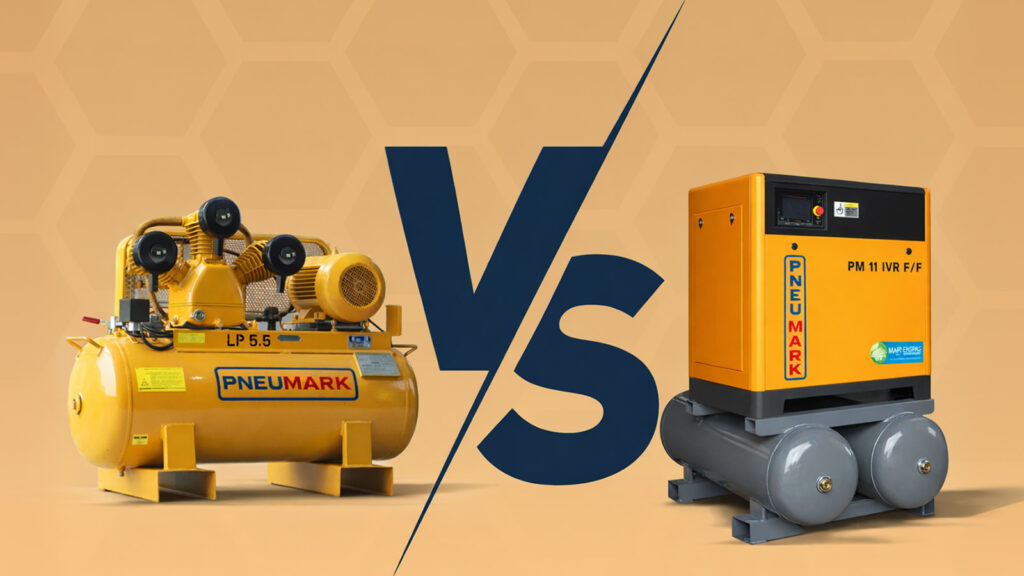
Choosing Between Screw and Piston Air Compressors Air compressors are among the most important assets at manufacturing facilities, workshops, and industrial plants. They power a wide range of pneumatic tools and equipment, ensuring uninterrupted operations. If you are in the market to buy a brand new air compressor, you are presented with two major types: screw and piston air compressors. Each type has its set of advantages and disadvantages. You can only make a suitable purchase when armed with the right information. Confused between screw and piston air compressors? Don’t worry, we are here to help. Read this blog until the end to learn all about it. What Is An Air Compressor? Before getting into the distinction between screw and piston compressors, let’s first take a look at what an air compressor is. It is a mechanical device that converts power into potential energy. This potential energy is stored in compressed air form inside metal or alloy tanks. The physics behind an air compressor’s functioning is simple. It increases the air pressure by decreasing its volume. This high-pressure air is effective in powering a wide range of pneumatic tools at minimal cost. Intake, compression, storage, and discharge are crucial aspects of the air compression process. Depending on the type of air compressor, the intake and compression techniques vary. Significant Advantages: Screw vs Piston Air Compressors Screw Air Compressors Piston Air Compressors Perfect for non-stop, uninterrupted operation The right choice for intermittent applications Ideal for applications demanding pulse-free airflow Lower cost Better energy efficiency, especially during long operational hours Ease of use and application. Simple design. Quieter operation Compact size perfect for smaller workspaces. Longer life. Fewer moving parts. Cost-efficient maintenance Dryer air and better air quality. Easy availability of spare parts Suitable for large industrial applications Suitable for small to medium pneumatic tools Better air quality with lower moisture carryover Ideal for operations in a dusty environment. Significant Disadvantages: Screw vs Piston Air Compressors Screw Air Compressors Piston Air Compressors Higher price range Unsuitable for continuous operations. Pricey repairs Pulsating air flow Unsuitable for intermittent usage Poor energy efficiency for longer operations Unsuitable for smaller workshops Relatively noisier operations Requires more floor space for installation Shorter lifespan. More moving parts Factors To Consider When Choosing Between Screw And Piston Compressors Cost Cost is the most important factor to consider when making business decisions. When choosing between screw and piston air compressors, you must mainly consider two costs: initial and operating. One of the primary mistakes businesses make is not considering the latter. Piston compressors are cheaper to source. However, their upkeep demands more cost and effort. On the other hand, screw air compressors require up to 30% less operational cost. Over 10 to 15 years, which is a very reasonable period for air compressors, lower operating costs add up. Duty Cycle The duty cycle directly influences an air compressor’s efficiency. It is the percentage of time a compressor can operate before the mandatory resting period needed to prevent overheating. The duty cycle is usually calculated over 10 minutes. If an air compressor works for 7 minutes and rests for 3 minutes, it has a 70% duty cycle. A screw compressor, designed for 24×7 operations, does not need to cool down and has 100% duty cycle. Capacity-CFM Measured in Cubic Feet Per Minute (CFM), the capacity of air compressors is an important factor to determine while choosing between screw and piston air compressors. Piston air compressors are perfect for low-volume applications. Screw compressors are perfect for consistent air flow. Maintenance Requirements Screw air compressors are your best friend if you are looking for a low-maintenance option. A piston air compressor has more moving parts. Meaning, it is more prone to damage and demands more maintenance and care. When the screw compressor does demand repairs, it could be slightly more expensive. However, the lower maintenance costs more than make up for it. Conclusion SL Engineering is a one-stop destination for the best air compressors in Perth, WA. Our extensive selection of screw and piston air compressors comes in different sizes. Call (08) 9399 9412 or email info@slengineering.com.au to get a free quote. From sales and service to repairs and renting, we offer all you need for an uninterrupted compressed air solution.