

Most businesses don’t think much about their air compressor when it’s working properly — and that’s understandable.
If the system is running, production is moving, and everything sounds normal, it’s easy to assume there’s nothing to worry about. Then one day it stops. Now the entire compressor system has everyone’s attention.
That’s usually how it goes.
The reality is that many compressor issues don’t appear overnight. They build slowly. A worn component here. A clogged filter there. Maybe an oil issue that nobody notices until performance starts dropping.
Small things — until they’re not! That’s why proper maintenance matters.
A well-maintained compressor tends to be more reliable, more efficient, and far less likely to cause headaches when the workload ramps up.
When people hear the word maintenance, they often think about avoiding equipment failure.
That’s certainly part of it. But there’s more to the story.
A compressor that’s operating below its best doesn’t always stop working completely. Sometimes it simply becomes less efficient.
Maybe it’s consuming more energy. Maybe it’s taking longer to build pressure. Maybe it’s running hotter than it should.
These issues can go unnoticed for months because the compressor is technically still working. But “working” and “working properly” aren’t always the same thing.
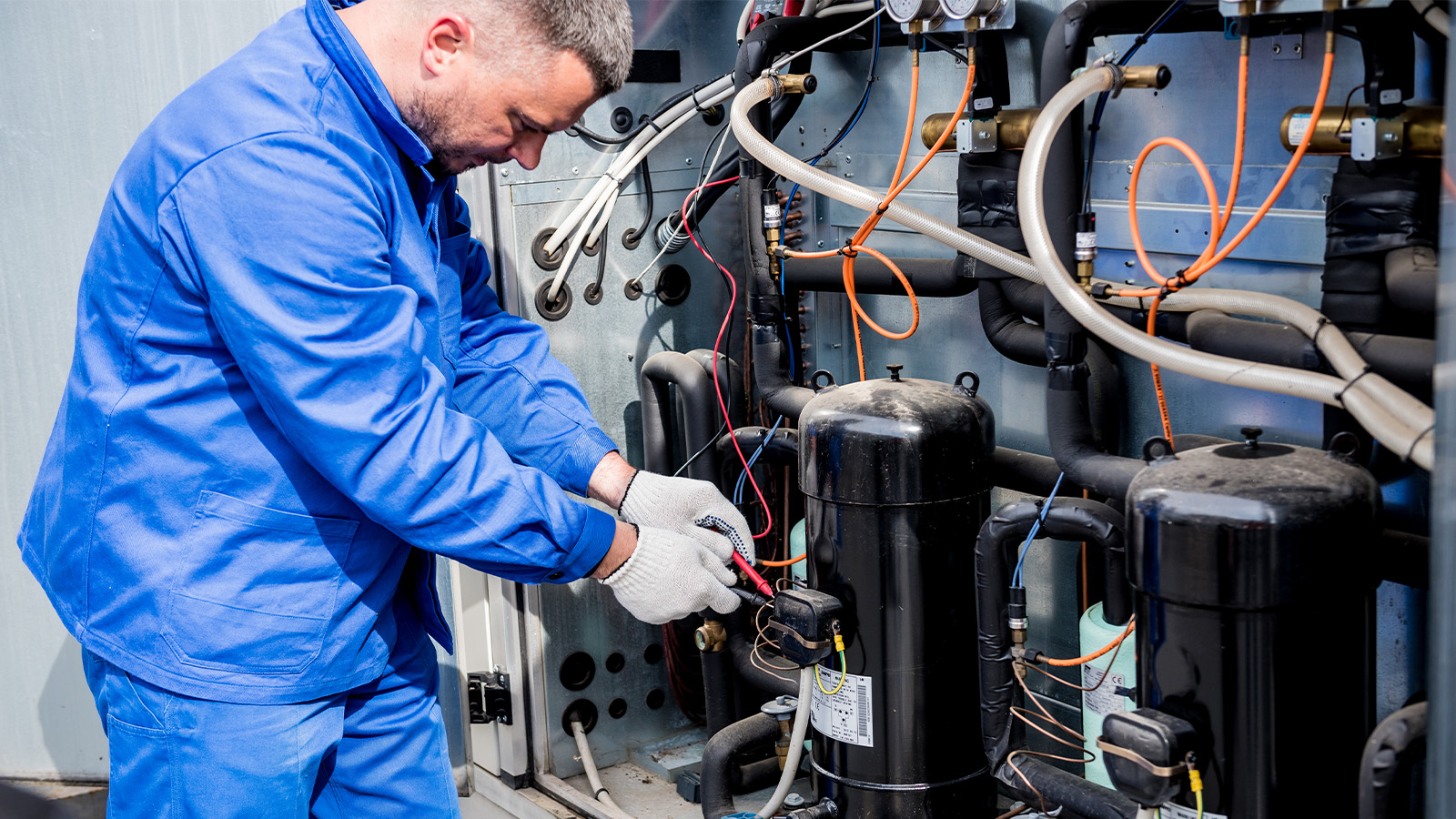
Regular screw air compressor maintenance helps identify these problems before they begin affecting performance.
This is something experienced technicians see all the time. Major failures often start as minor issues.
A belt begins to wear. A filter starts restricting airflow. A small air leak develops.
Nothing dramatic — at least not at first.
The problem is that compressors are designed to work hard. If one component starts struggling, other components may end up carrying additional load.
Over time, that extra strain adds up. That’s why routine inspections are so valuable. They help catch the little things before they become expensive later.
Electricity isn’t getting cheaper — most business owners know that already.
Compressed air systems can account for a significant portion of energy consumption in many facilities, especially where compressors run throughout the day.
Even small inefficiencies can make a difference. An air leak doesn’t seem like much. Neither does a dirty filter. But when a compressor has to work harder to achieve the same result, energy use increases. And it keeps increasing every day until the problem is addressed.
That’s one reason rotary screw compressor maintenance should never be viewed purely as a repair strategy. It’s also an efficiency strategy.
Compressors generate heat — lots of it.
That’s totally fine. The issue arises when that heat isn’t being managed properly.
Blocked coolers, poor airflow, contaminated oil, and neglected maintenance can all contribute to rising operating temperatures.
Excessive heat rarely improves the lifespan of mechanical equipment. In fact, quite the opposite. A compressor running hotter than it should is often a compressor that needs attention.
Sometimes the solution is simple. But only if the problem is identified early.
Nobody schedules downtime for fun — especially in manufacturing environments.
When compressed air is essential to operations, reliability becomes incredibly important. A compressor that starts every morning and performs consistently throughout the day isn’t just convenient. It’s critical.
That’s where rotary screw air compressor maintenance plays a major role. Regular servicing helps create consistency, not perfection. Because machines are still machines.
But well-maintained equipment is generally far more predictable than equipment that’s simply left along until something breaks.
A compressor operating in a clean environment will have very different maintenance requirements from one operating in a dusty workshop.
Dust, dirt, heat, moisture, and operating hours all influence maintenance schedules. This is why a generic servicing approach doesn’t always work.
Two identical compressors may require very different levels of attention depending on where they’re installed and how they’re being used.
The operating environment matters, and it matters a lot.
At first glance, postponing maintenance can seem like a cost-saving decision.
No service bill. No downtime. No technician visit. Seems like the problem is solved. Except it usually isn’t.
The costs often appear later. A failed component, an emergency callout, unexpected production delays — repairs that could have been avoided months earlier.
Preventive maintenance isn’t exciting. Nobody gets particularly enthusiastic about replacing filters or inspecting components.
But compared to unexpected breakdowns, it’s generally the cheaper option.
Not every business relies on compressed air in the same way.
For some operations, air quality is incredibly important. Contaminated compressed air can create issues for equipment, processes, and finished products.
Hence, maintenance isn’t just about keeping the compressor running. It’s also about ensuring the system continues producing clean, reliable compressed air.
Filters, dryers, and separators — these components all need attention.
Ignoring them can eventually create problems elsewhere in the system.
Something is reassuring about knowing your equipment is being looked after.
Not because breakdowns become impossible — but because the risk is reduced. Good maintenance creates visibility.
It helps businesses understand the condition of their equipment, plan, and make informed decisions before issues become urgent. That’s valuable.
Particularly when compressed air plays a critical role in daily operations.
Wrapping Up
Most compressors don’t ask for much.
Regular servicing. Routine inspections. A little attention before problems have a chance to grow. That’s really what maintenance comes down to.
Consistent screw compressor maintenance can help improve reliability, control operating costs, support air quality, and extend the lifespan of valuable equipment.
For businesses relying on an industrial air compressor in Perth, preventative maintenance is often one of the simplest ways to protect productivity and avoid unnecessary downtime.
At SL Engineering, we work with businesses across Western Australia to keep compressed air systems running at their best.
Whether it’s routine servicing, repairs, or technical support, our team understands the role reliable compressed air plays in keeping operations moving.