If you are wondering what compressed air is, you are at the right place. To put it simply, compressed air is to pneumatic tools what electricity is to electronic appliances. Referred to as the fourth utility (alongside water, gas, and electricity), compressed air keeps industries and manufacturing facilities running smoothly.
SL Engineering has been a leader in Western Australia’s compressed air industry since 1988. Drawing from our extensive experience, in this blog, we list what you need to know about compressed air and its uses.
Air is all around us. However, to turn it into potential energy, and then kinetic energy, it is pressurised into a smaller space using air compressors. The air mainly comprises around 78% nitrogen and 21%. Oxygen. What is compressed air? The mechanics of generating compressed air are simple.
The air compressor draws air in, either through pistons or screws, and forces it into a smaller space, such as a tank. This forced volume reduction, through compression, makes the air molecules bind tighter.
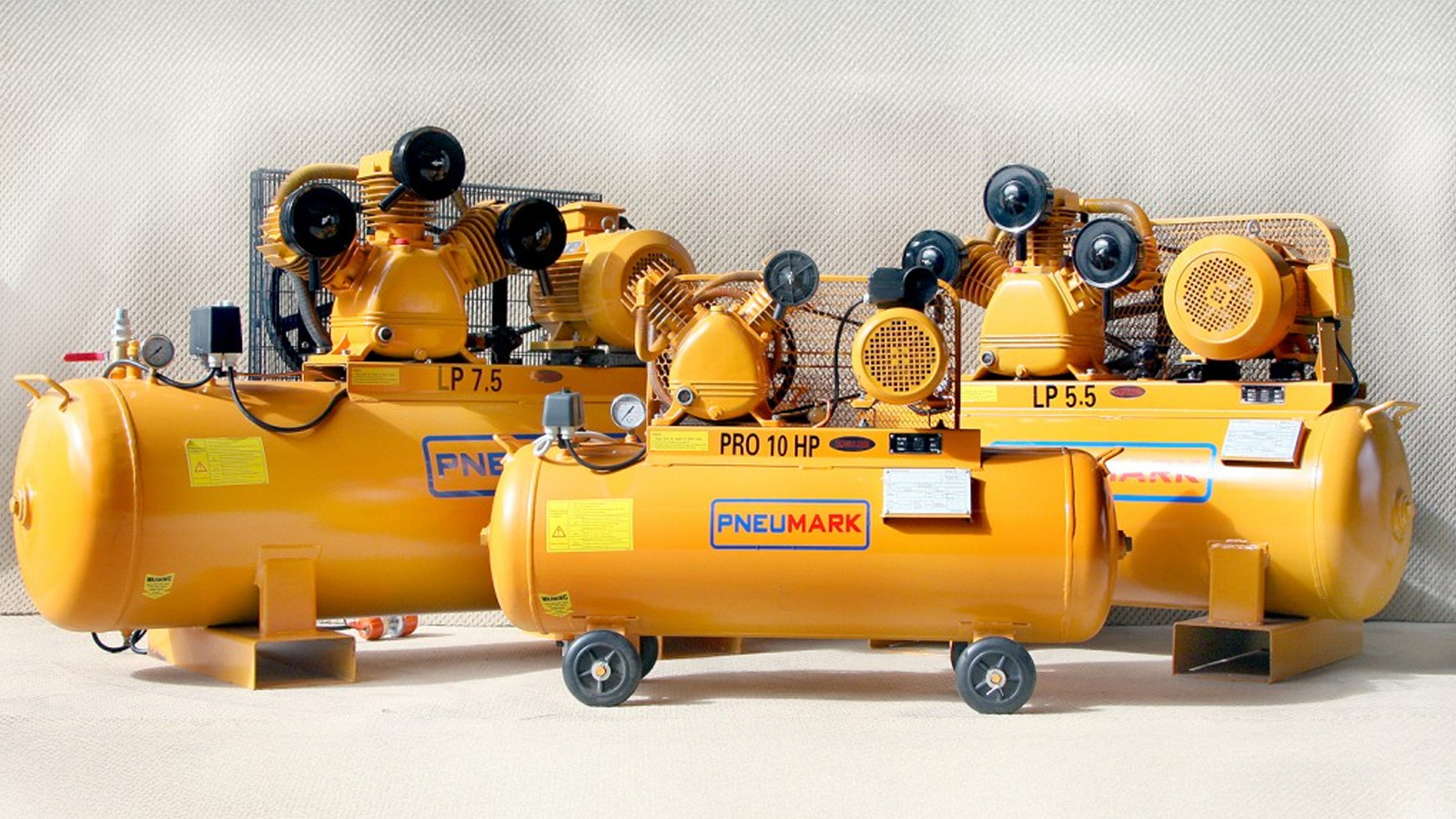
The heart of the system, the entire operation depends on its performance. The air compressor unit draws in atmospheric air and converts it to compressed air. This is done by forcing the air into a smaller space, thus binding together the air molecules more tightly. Air compressors are mainly of two types, piston and screw.
The air compressor draws power from the prime mover or motor to kickstart the compressed air cycle. Powered by either diesel or electricity, the prime mover, or motor, makes air compression possible.
The primary purpose of the dryer is to remove all the moisture from the compressed air. It is crucial to ensure the longevity of air compressors and ensure clean air. Vertical, horizontal, refrigerated, desiccant, membrane, and deliquescent are the most common air dryers used to keep compressed air up and running.
The use of compressed air for industrial applications has significantly risen in the last few decades. Businesses often invest in compressed air systems to reduce ballooning energy bills, dependency on electricity alone, and diversify their energy solutions to keep the business running. To understand what compressed air is, you must know about its benefits.
Air compressors from trusted manufacturers are built to withstand harsh working conditions. It is common to spot air compressor units at mining sites, construction sites, workshops, and in hot, humid manufacturing facilities.
Why is that? It is because of the impressive safety of compressed air systems. They do not generate heat at end-point tools, preventing safety hazards such as blasts or sparks that could harm you or your employees.
Resistance to high temperature, humidity, and moisture makes compressed air systems very reliable.
Thanks to the impressive portability of air compressors, they can be used in remote locations or places with limited, inconsistent power. Compressed air can be easily stored in portable tanks. Moreover, even pneumatic tools are lighter than their electrical counterparts. This further improves the portability and makes transportation to work sites a much lighter and easier affair.
For highly sensitive applications demanding clean, toxin-free air, compressed air is a great choice. Pharmaceutical, biotechnology, food processing, medical, electronics, and petrochemical industries greatly benefit from clean air and thus, rely on compressed air systems.
The versatility of compressed air makes it immensely popular across industries. Continue reading to learn about the significant uses of compressed air systems industry-wise.
Compressed air, the “fourth utility”, is an inextricable aspect of modern manufacturing units. It is used to power a wide range of pneumatic tools, such as:
The cost-effectiveness of compressed air and the lightweight of pneumatic tools facilitates increased efficiency and productivity in manufacturing plants.
Heavy vehicles such as trucks, buses, and trailers use compressed air to make braking systems much more reliable and safe. These heavy vehicles rely on engine-driven air compressors not just for braking but also for suspension, transmission gear shifting, and even opening/closing bus doors.
You will hardly find an automotive workshop in Australia that doesn’t use a compressed air system for tyre inflation. Be it the old-school analog tyre inflators or the cutting-edge digital models, compressed air is at the heart of this equipment.
Apart from tyre inflation, air compressors are also used for cleaning. Pneumatic blowers, dusters, and scrapers cannot function without reliable air compressors.
We have explained in this blog what compressed air is and its many uses. When it comes to compressed air systems, you cannot leave anything to luck. You must work with an experienced player like SL Engineering for high-performance compressed air systems.
Our home brand, Pneumark, boasts a wide range of piston and screw air compressors, among the best in Western Australia. Apart from selling air compressors, we also supply reliable air receivers and dryers to ensure efficient operations.
You can also rely on us for scheduled servicing, plant inspection, and installation at competitive rates.