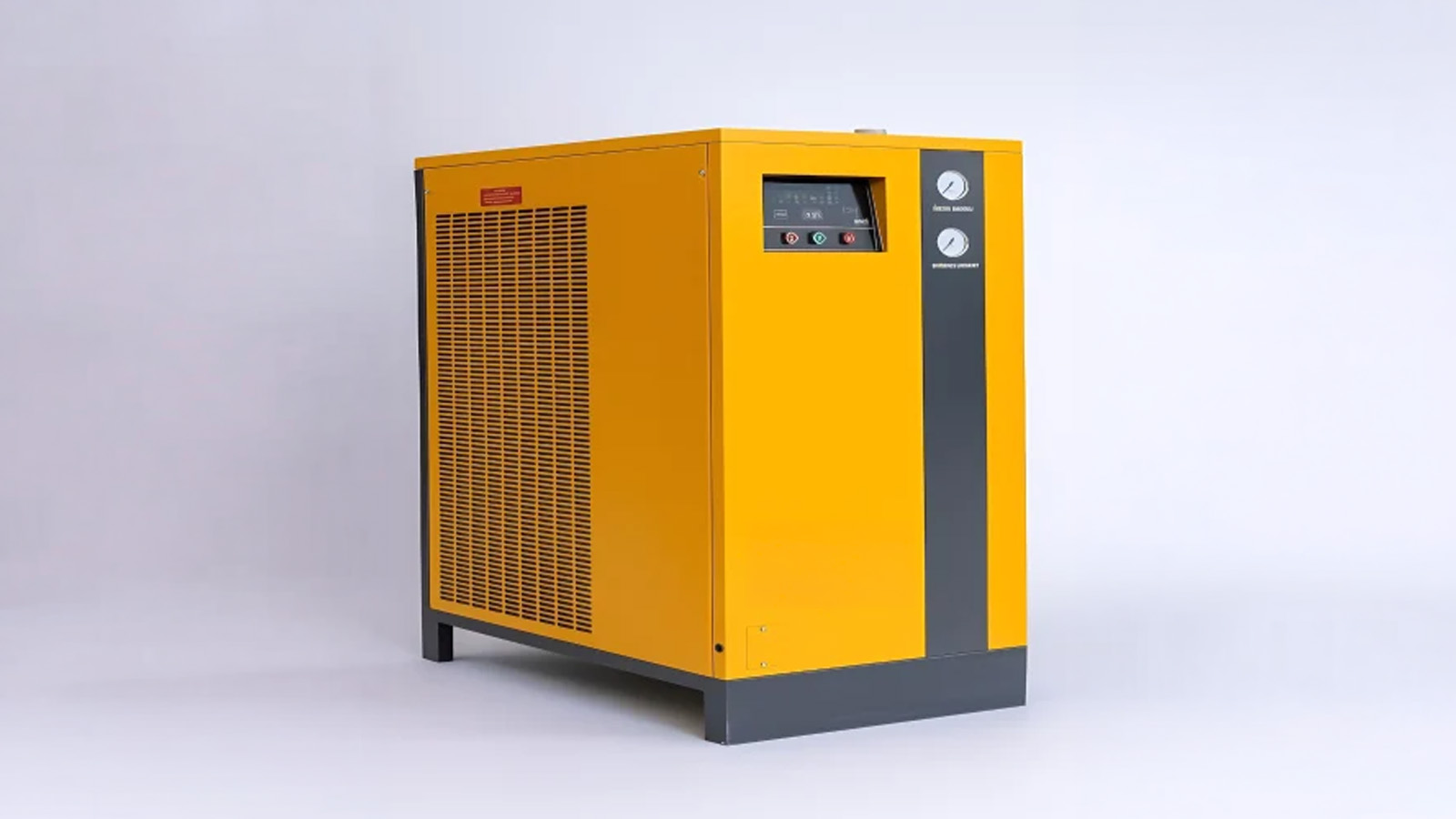
If you are wondering what a compressed air dryer is, you’re at the right place. It is an integral aspect of compressed air systems that keeps moisture out. Moisture in the air damages the efficiency and longevity of pneumatic tools and equipment. In this blog, we give a detailed breakdown of what a compressed air dryer is, how it works, its types, and the many common uses. Read until the end to make an informed decision.
The presence of moisture is detrimental due to the following reasons:
The functioning of an air dryer depends on its type. There are many different types of air dryers, mainly refrigeration, desiccant, and membrane air dryers.
On the other hand, desiccant air dryers use absorption materials, such as activated alumina, silica gel, and molecular sieves, to trap and discard moisture.
Membrane air dryers use semi-permeable membranes to separate moisture and contaminants from compressed air. Polysulfone (PSU), Polyimide (PI), Cellulose Acetate, and Polyamide are some of the most common materials used to make these semi-permeable membranes.
Now that we have discussed what a compressed air dryer is, let’s take a look at its uses. Dry air is critical for many industrial applications. Continue reading to learn the many uses of air dryers.
From automotive to metal fabrication, a wide range of industrial operations rely on air dryers to remove moisture from the compressed air system. Dry air ensures smooth equipment operation, reduces wear and tear, and maintains consistent production output. Industries include automotive, metal fabrication, textiles, and packaging.
Moisture is absolutely not acceptable in the food and beverage industry. It messes with the product’s taste, texture, and shelf life. Moisture causes bacterial growth, making the product fail compliance and safety tests. Investing in an exceptional air dryer is the key to preventing spoilage and maintaining the highest safety standards.
Medicines and pharmaceutical products must meet the highest safety standards. They are manufactured in an environment where temperature and cleanliness are controlled. Similarly, pharmaceutical production requires extremely clean and dry air to avoid contamination. This is where an air dryer comes into play.
Painting and coating are crucial for making the products look presentable and attractive. Moisture in compressed air can ruin paint finishes by causing bubbles, uneven coating, and poor adhesion. It is important to invest in air dryers to ensure a smooth, high-quality painting finish.