


What Are the Parts of an Air Compressor?
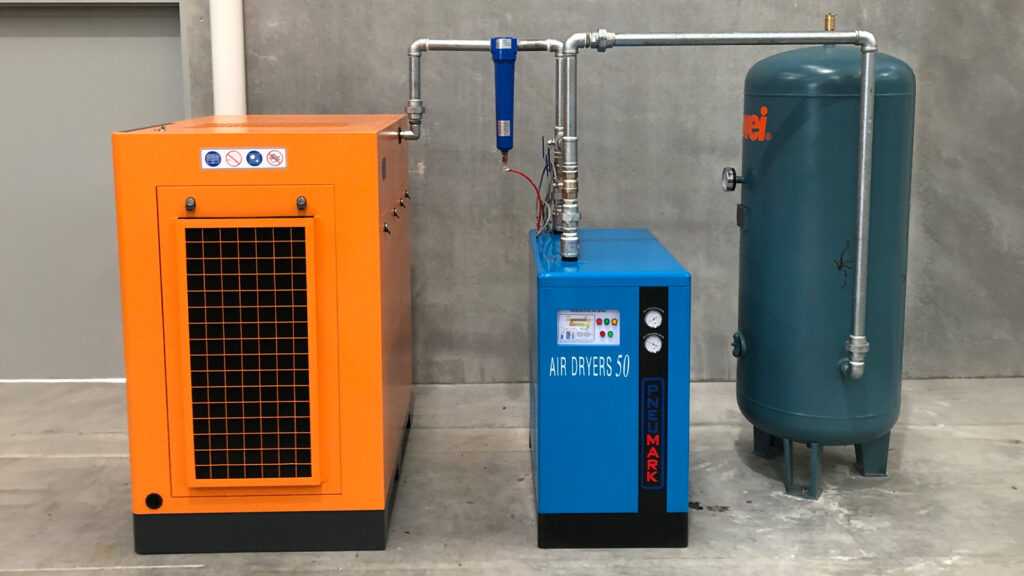
What Are the Parts of an Air Compressor? Most people know what an air compressor does — they don’t always know what’s inside one. And honestly, that’s fair enough. If the machine starts every morning, builds pressure, and keeps the workshop or production line running, there usually isn’t much reason to think about what happens under the covers. Until there’s a problem! That’s often when people start learning how many different components are involved in producing compressed air. More than you’d think, actually. A modern compressed air system isn’t simply a compressor. It’s a collection of components working together to compress, store, treat, and deliver air where it’s needed. Some parts do the heavy lifting. Others work quietly in the background. Every one of them matters. Let’s take a closer look. The Air End If someone asked a compressor technician to point out the most important component, there’s a good chance they’d point to the air end. This is where the compression happens. Inside a rotary screw compressor, two rotors spin together at high speed. As air enters the chamber, it becomes trapped between those rotors and gradually compressed before moving through the system. It’s clever engineering — and it’s doing the hard work every second the compressor is running. The air end is also one of the most expensive components in many machines. That’s one reason proper servicing matters so much. A neglected air end can become a very expensive conversation. The Motor The motor is what drives everything. If there’s no motor, you don’t get compressed air. Simple. Its job is to supply the power needed to turn the air end and keep the compression process moving. Some compressors run relatively small motors. Others use large industrial motors capable of operating for long periods under demanding conditions. Most people rarely think about the motor until something sounds different or smells different — neither is usually a good sign. Like any hardworking piece of equipment, motors perform best when they’re inspected regularly and allowed to operate under the conditions they were designed for. Intake Filters: The First Line of Defence Compressors spend their lives pulling air out of the surrounding environment. The problem is that the air isn’t clean. Dust, dirt, fine particles — all sorts of contaminants are floating around that you don’t want entering the compressor itself. That’s why intake filters exist. Their job is straightforward. Stop contaminants from getting inside. They’re not particularly glamorous components, but they do an important job. A dirty intake filter can restrict airflow and reduce efficiency long before anyone notices a problem. It’s a small component. Yet it has a surprisingly big impact. Air Compressor Filters Once air has been compressed, filtration remains necessary. In fact, for many facilities, it’s even more important. That’s where air compressor filters come in. Different filters are designed to remove different contaminants. Some target fine particles. Others focus on oil carryover or moisture. The exact filtration setup depends on the application. A fabrication workshop won’t necessarily need the same level of filtration as a food processing facility. Or a pharmaceutical manufacturer. Or a laboratory. Every compressed air system has different requirements, which is why filtration should never be treated as a one-size-fits-all solution. Cooling Components Compressing air generates heat — in fact, a lot of it. Place your hand near a heavily loaded compressor, and you’ll quickly understand what that means. Without cooling systems, temperatures would rise rapidly. That’s why compressors use coolers, fans, radiators, and other heat management components to keep operating temperatures under control. Heat isn’t automatically a problem. Uncontrolled heat is. And there is a big difference! When cooling components become blocked with dirt or debris, compressor performance can suffer. Over time, excessive temperatures may also shorten the life of important internal parts. Air Receivers One of the most overlooked components in many compressed air systems is the air receiver. You’ll usually see it sitting quietly beside the compressor, not doing much. At least that’s how it looks. In reality, air receivers perform several important functions. They store compressed air, help stabilise pressure fluctuations, and reduce unnecessary compressor cycling. Think of them as a buffer — they help smooth things out. Without adequate storage capacity, systems can become less efficient and more difficult to manage during periods of fluctuating demand. Pressure Gauges Tell a Story Walk through most compressor installations, and you’ll see pressure gauges mounted throughout the system. Many people look at them and keep walking. However, technicians don’t. Pressure gauges can reveal quite a lot about what’s happening behind the scenes. A pressure drop where there shouldn’t be one. An unexpected pressure increase. A blockage somewhere in the line. A developing leak. Sometimes a gauge provides the first clue that something isn’t right. They’re simple devices. But incredibly useful ones. Moisture Is a Bigger Problem Than Most People Realise Here’s something many people don’t think about. Compressed air naturally creates moisture, and moisture can create some issues. Corrosion, contamination, equipment wear, product quality issues, etc. That’s why compressed air systems often include dryers, separators, and drainage systems. One particularly important component is the auto-drain valve for air compressor systems. Its job is exactly what the name suggests. It automatically removes collected condensate from tanks, filters, and other areas where moisture accumulates. Nobody gets excited about drain valves — but they’re playing a vital role every single day. Without them, water can quickly become a much bigger problem. The Piping Matters Too People often focus entirely on the compressor itself. The piping deserves attention as well. After all, producing compressed air is only half the job. The air still needs to get where it’s going. Poorly designed pipework can create pressure losses, increase energy consumption, and reduce system performance. Sharp bends, undersized pipes, and poorly planned layouts can all affect efficiency. It’s one reason two facilities using similar compressors can experience very different results. The compressor matters — the system around it matters too. Controllers and Sensors Keep Things Running
Air Compressor Energy Saving Tips to Reduce Operating Costs
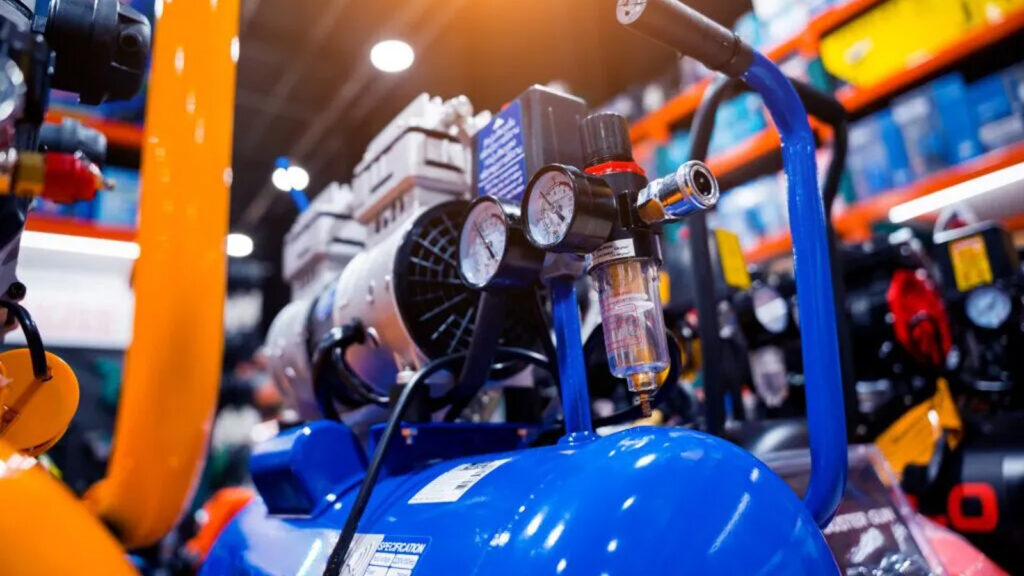
Air Compressor Energy Saving Tips to Reduce Operating Costs Compressed air is often called the fourth utility — and for a good reason. Many businesses rely on it every single day. Manufacturing facilities, workshops, warehouses, processing plants, and more. What many operators don’t realise, however, is how much energy a compressed air system can consume over its lifetime. In some facilities, the electricity used to run the compressor can end up costing far more than the compressor itself. That’s why energy efficiency matters. The good news is that reducing operating costs doesn’t always require major upgrades or expensive new equipment. Sometimes, a few practical changes can make a noticeable difference. Let’s look at some of the most effective ways to improve efficiency and reduce energy consumption. Energy Saving Air Compressors Start With Leak Detection Air leaks are among the biggest causes of energy waste. They’re also one of the most common. The tricky part? Many leaks go unnoticed. A small leak might not seem like a problem on its own. But multiply that leak across an entire compressed air system, and the losses can become significant. Over time, the compressor has to work harder to replace air that’s escaping through fittings, hoses, valves, and connections. That’s money leaving the building — quite literally. Regular inspections can help identify and repair leaks before they start impacting operating costs. Lower Pressure Isn’t Always a Bad Thing Many systems operate at higher pressure than necessary. Sometimes it’s because requirements have changed over the years. Other times, it’s simply because settings were never adjusted after installation. Higher pressure generally means higher energy consumption — it’s that simple. If a system is producing more pressure than the application actually requires, the compressor may be using unnecessary electricity every day. Even small pressure reductions can create energy savings — provided the system continues meeting operational requirements. Don’t Ignore Maintenance This one sounds obvious. Yet it gets overlooked more often than you would think. A poorly maintained compressor rarely performs at its best. Dirty filters restrict airflow. Worn components reduce efficiency. Contaminated oil can increase operating temperatures. None of these issues happen overnight — they develop gradually. That’s why regular air compressor service plays such an important role in energy management. A well-maintained compressor typically operates more efficiently than one that’s been neglected for months or years. Energy Saving Compressor Strategies Include Proper Sizing Bigger isn’t always better. In fact, oversized compressors can sometimes create unnecessary energy costs. A compressor that’s significantly larger than the actual air demand may spend much of its time operating inefficiently. It’s a common issue. Many businesses install larger equipment “just in case” future demand increases. Sometimes that extra capacity is never needed. Matching compressor size to actual requirements is one of the most effective energy-saving compressor strategies available. Keep Intake Air Clean and Cool Compressors work best when they’re breathing clean, cool air. When the intake air is hot, the compressor has to work harder. When filters become dirty, airflow becomes restricted. Neither situation helps efficiency. Something as simple as maintaining clean intake filters and ensuring adequate ventilation around the compressor room can support better performance. It’s not a complicated solution — but it can help. Review Compressor Operating Hours Not every compressor needs to run all day or all night. Yet many systems continue operating long after production has stopped. Sometimes nobody notices. Other times, it’s simply become part of the routine. Reviewing operating schedules can reveal opportunities to reduce unnecessary run time. If the compressor isn’t needed, it shouldn’t be consuming power. That sounds obvious — but it’s a surprisingly common source of wasted energy. Invest in Monitoring You can’t improve what you don’t measure. Monitoring systems can provide valuable insights into how a compressed air system is performing. Air demand, pressure levels, energy usage, and operating hours help identify inefficiencies that might otherwise remain hidden. In many cases, the data tells a story. And sometimes that story highlights opportunities for substantial savings Energy Saving Air Compressors Benefit From a Whole-System Approach Many businesses focus entirely on the compressor itself. It’s the most visible piece of equipment in the system. But the efficiency of compressed air extends beyond the compressor. Piping design, storage capacity, leak management, control systems — they all matter. Looking at the entire system rather than a single piece of equipment often produces the best results. Small improvements across multiple areas can add up surprisingly fast. Final Thoughts Reducing compressed air operating costs isn’t always about purchasing new equipment. More often, it’s about making existing equipment work smarter. Fixing leaks, improving maintenance, reviewing pressure settings, monitoring performance, and eliminating unnecessary time — these practical steps can help businesses improve efficiency without major disruption. For facilities operating air compressors in Perth, even modest efficiency improvements can contribute to meaningful long-term savings. At SL Engineering, we help businesses get the most from their compressed air systems through servicing, maintenance, and practical efficiency solutions.
The Importance of Screw Compressor Maintenance
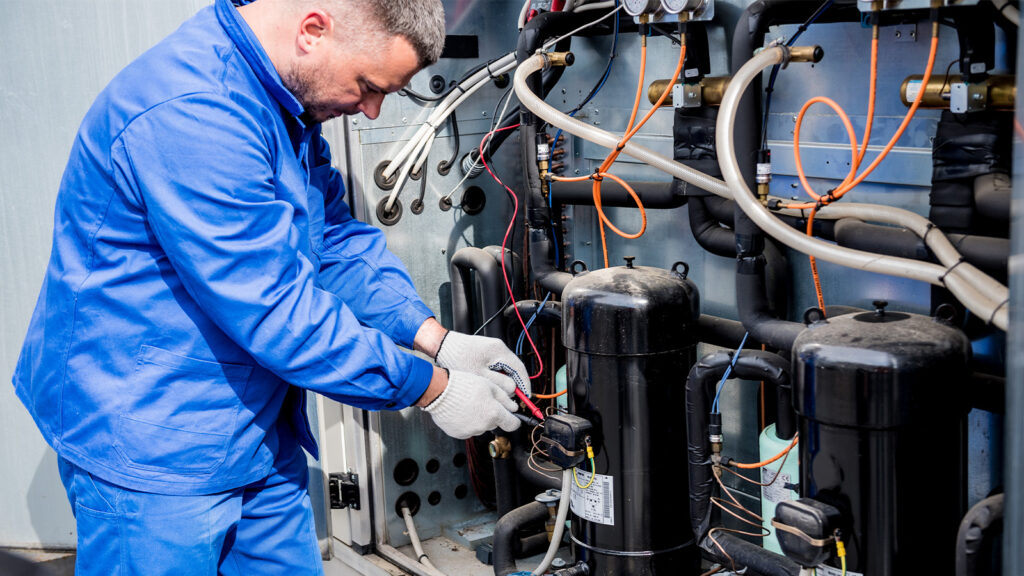
The Importance of Screw Compressor Maintenance Most businesses don’t think much about their air compressor when it’s working properly — and that’s understandable. If the system is running, production is moving, and everything sounds normal, it’s easy to assume there’s nothing to worry about. Then one day it stops. Now the entire compressor system has everyone’s attention. That’s usually how it goes. The reality is that many compressor issues don’t appear overnight. They build slowly. A worn component here. A clogged filter there. Maybe an oil issue that nobody notices until performance starts dropping. Small things — until they’re not! That’s why proper maintenance matters. A well-maintained compressor tends to be more reliable, more efficient, and far less likely to cause headaches when the workload ramps up. Screw Compressor Maintenance Is About More Than Preventing Breakdowns When people hear the word maintenance, they often think about avoiding equipment failure. That’s certainly part of it. But there’s more to the story. A compressor that’s operating below its best doesn’t always stop working completely. Sometimes it simply becomes less efficient. Maybe it’s consuming more energy. Maybe it’s taking longer to build pressure. Maybe it’s running hotter than it should. These issues can go unnoticed for months because the compressor is technically still working. But “working” and “working properly” aren’t always the same thing. Regular screw air compressor maintenance helps identify these problems before they begin affecting performance. Compressors Rarely Fail Without Warning This is something experienced technicians see all the time. Major failures often start as minor issues. A belt begins to wear. A filter starts restricting airflow. A small air leak develops. Nothing dramatic — at least not at first. The problem is that compressors are designed to work hard. If one component starts struggling, other components may end up carrying additional load. Over time, that extra strain adds up. That’s why routine inspections are so valuable. They help catch the little things before they become expensive later. Rotary Screw Compressor Maintenance Helps Control Running Costs Electricity isn’t getting cheaper — most business owners know that already. Compressed air systems can account for a significant portion of energy consumption in many facilities, especially where compressors run throughout the day. Even small inefficiencies can make a difference. An air leak doesn’t seem like much. Neither does a dirty filter. But when a compressor has to work harder to achieve the same result, energy use increases. And it keeps increasing every day until the problem is addressed. That’s one reason rotary screw compressor maintenance should never be viewed purely as a repair strategy. It’s also an efficiency strategy. Heat Is Often the Enemy Compressors generate heat — lots of it. That’s totally fine. The issue arises when that heat isn’t being managed properly. Blocked coolers, poor airflow, contaminated oil, and neglected maintenance can all contribute to rising operating temperatures. Excessive heat rarely improves the lifespan of mechanical equipment. In fact, quite the opposite. A compressor running hotter than it should is often a compressor that needs attention. Sometimes the solution is simple. But only if the problem is identified early. Rotary Screw Air Compressor Maintenance Supports Reliability Nobody schedules downtime for fun — especially in manufacturing environments. When compressed air is essential to operations, reliability becomes incredibly important. A compressor that starts every morning and performs consistently throughout the day isn’t just convenient. It’s critical. That’s where rotary screw air compressor maintenance plays a major role. Regular servicing helps create consistency, not perfection. Because machines are still machines. But well-maintained equipment is generally far more predictable than equipment that’s simply left along until something breaks. The Environment Matters More Than People Think A compressor operating in a clean environment will have very different maintenance requirements from one operating in a dusty workshop. Dust, dirt, heat, moisture, and operating hours all influence maintenance schedules. This is why a generic servicing approach doesn’t always work. Two identical compressors may require very different levels of attention depending on where they’re installed and how they’re being used. The operating environment matters, and it matters a lot. Skipping Maintenance Usually Doesn’t Save Money At first glance, postponing maintenance can seem like a cost-saving decision. No service bill. No downtime. No technician visit. Seems like the problem is solved. Except it usually isn’t. The costs often appear later. A failed component, an emergency callout, unexpected production delays — repairs that could have been avoided months earlier. Preventive maintenance isn’t exciting. Nobody gets particularly enthusiastic about replacing filters or inspecting components. But compared to unexpected breakdowns, it’s generally the cheaper option. Don’t Forget About Air Quality Not every business relies on compressed air in the same way. For some operations, air quality is incredibly important. Contaminated compressed air can create issues for equipment, processes, and finished products. Hence, maintenance isn’t just about keeping the compressor running. It’s also about ensuring the system continues producing clean, reliable compressed air. Filters, dryers, and separators — these components all need attention. Ignoring them can eventually create problems elsewhere in the system. A Good Maintenance Program Creates Peace of Mind Something is reassuring about knowing your equipment is being looked after. Not because breakdowns become impossible — but because the risk is reduced. Good maintenance creates visibility. It helps businesses understand the condition of their equipment, plan, and make informed decisions before issues become urgent. That’s valuable. Particularly when compressed air plays a critical role in daily operations. Wrapping Up Most compressors don’t ask for much. Regular servicing. Routine inspections. A little attention before problems have a chance to grow. That’s really what maintenance comes down to. Consistent screw compressor maintenance can help improve reliability, control operating costs, support air quality, and extend the lifespan of valuable equipment. For businesses relying on an industrial air compressor in Perth, preventative maintenance is often one of the simplest ways to protect productivity and avoid unnecessary downtime. At SL Engineering, we work with businesses across Western Australia to keep compressed air systems running at their best.
Common Air Compressor Leaks and How to Detect Them
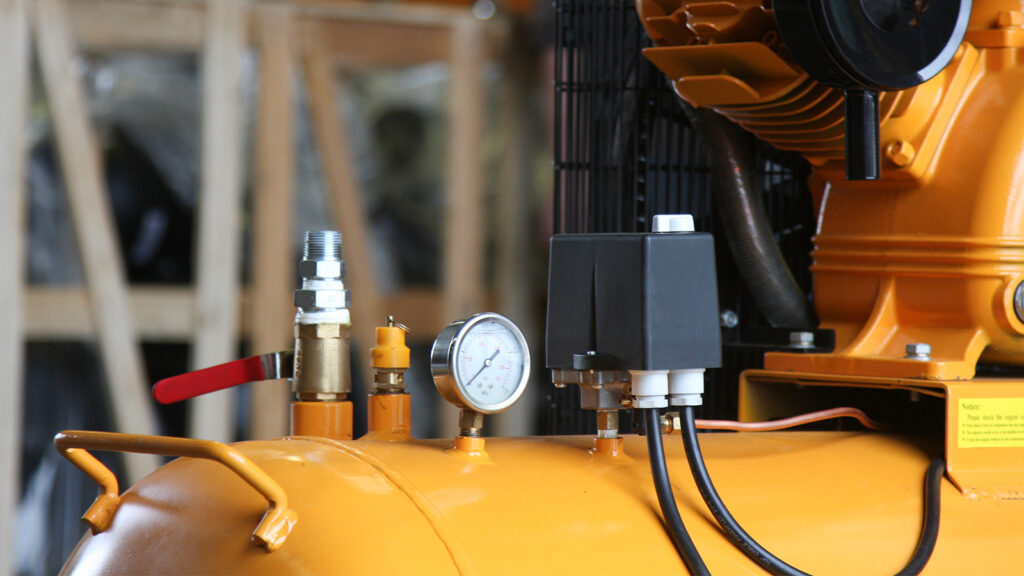
Do Rotary Screw Compressors Need An Air Tank At SL Engineering, we get this question many times: Does a rotary screw compressor need a tank? We hear it in real conversations on-site, more than you’d think. Short answer — no, it doesn’t have to. Real-world answer? It usually runs better with one. There’s a difference between what a machine can do and what actually works best once it’s bolted into a workshop or industrial site. Rotary Screw Compressors: How They Function A rotary screw compressor doesn’t “pulse” air the way older piston units do. Instead, it pulls air in and traps it between two rotating screws, compressing it as it moves through. That’s what defines a screw air compressor. Smooth output. Continuous flow. No gaps in delivery. It’s why they’re used in demanding environments where airflow can’t afford to drop off mid-task. But here’s the catch — just because the air coming out is steady doesn’t mean the demand is. So, Do They Still Need a Tank? Technically speaking, it can run without one. Modern industrial screw air compressor systems are designed to handle direct delivery. Some even use variable speed drives to match output closely to demand. So yes, it will work. But “working” and “working well under changing load conditions” are two different things entirely. And that’s where things usually shift in favour of a tank. What Actually Happens Without a Tank On paper, the compressor just supplies air as needed. But on-site, demand changes constantly. Someone hits a blowgun. A machine starts up. Another tool cuts out. Air usage jumps around in ways no compressor can perfectly predict in real time. Without storage, the system has to react instantly to every change. That’s where you start seeing pressure dips, more frequent cycling, and a system that feels like it’s always catching up. Nothing dramatic. Just small inefficiencies that build up over time. What the Tank Changes An air receiver doesn’t create pressure — it evens it out. It holds compressed air, so the system has something to draw from when demand spikes. Instead of the compressor reacting immediately to every change, the tank absorbs those short bursts. Then the compressor refills it in the background. That simple shift changes how the whole system behaves. Less scrambling. More stability. Why Most Screw Compressor Systems Still Use One In practice, most screw air compressor setups we see around Perth still include a tank. Not because it’s mandatory, but because it solves everyday issues. For instance: 1. Pressure feels more consistent Tools and machinery respond better when pressure isn’t swinging up and down. 2. The compressor isn’t constantly reacting Without storage, the unit cycles more often. With a tank, it runs in a more controlled rhythm. 3. Sudden demand spikes are easier to handle Instead of the compressor instantly ramping up, the tank absorbs the load for a moment. 4. It gives moisture somewhere to settle Compressed air always carries moisture. A tank gives it time to condense before reaching the equipment. None of this is theoretical — it shows up in day-to-day use. When You Might Skip the Tank There are some setups where a tank isn’t essential. Compact systems, space-limited installations, or carefully engineered variable speed systems can operate without a traditional receiver. In those cases, the compressor is tuned closely to match demand patterns. Even then, it’s not really “no buffer”— it’s just built differently. And in many cases, a small receiver still ends up included somewhere in the line anyway. What We See at SL Engineering in Real Jobs Across industrial sites in greater Perth, the pattern is fairly consistent. An industrial screw air compressor is rarely running in a perfectly stable environment. Usage changes throughout the day. Different tools draw different loads. Production demands shift without warning. That unpredictability is the real reason tanks stick around. Not because the compressor can’t cope — but because the system runs more smoothly when it’s not constantly chasing demand changes in real time. Why It Matters for Perth Businesses For Perth businesses in trade, fabrication, automotive, and mining support, compressed air is tied directly to productivity. When pressure is steady, work flows. When it isn’t, everything slows down—sometimes subtly, sometimes noticeably. A tank doesn’t fix everything, but it removes a lot of the small fluctuations that cause frustration on site. That’s usually why most installations we work on still include both a screw air compressor and a receiver tank as a standard pairing. Final Thoughts from SL Engineering So, does a rotary screw compressor need a tank? No, not strictly. But in most real-world industrial setups, it makes sense to have one. The compressor produces air continuously. The tank helps the air behave in a way that suits changing demand. One handles production. The other smooths the delivery. And in practical terms, that combination is what keeps most systems stable, predictable, and easier to run day after day.
Do Rotary Screw Compressors Need An Air Tank
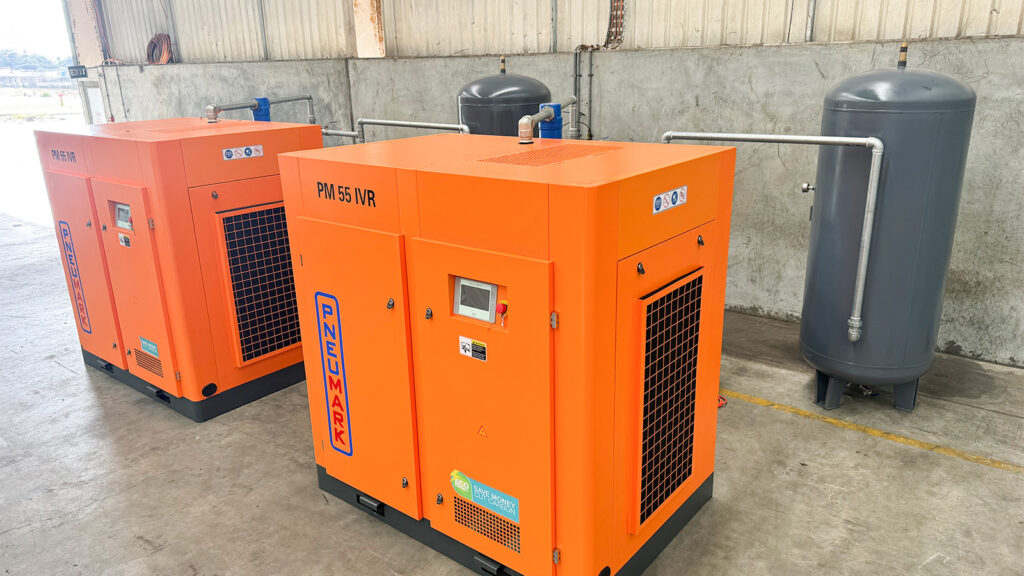
Do Rotary Screw Compressors Need An Air Tank At SL Engineering, we get this question many times: Does a rotary screw compressor need a tank? We hear it in real conversations on-site, more than you’d think. Short answer — no, it doesn’t have to. Real-world answer? It usually runs better with one. There’s a difference between what a machine can do and what actually works best once it’s bolted into a workshop or industrial site. Rotary Screw Compressors: How They Function A rotary screw compressor doesn’t “pulse” air the way older piston units do. Instead, it pulls air in and traps it between two rotating screws, compressing it as it moves through. That’s what defines a screw air compressor. Smooth output. Continuous flow. No gaps in delivery. It’s why they’re used in demanding environments where airflow can’t afford to drop off mid-task. But here’s the catch — just because the air coming out is steady doesn’t mean the demand is. So, Do They Still Need a Tank? Technically speaking, it can run without one. Modern industrial screw air compressor systems are designed to handle direct delivery. Some even use variable speed drives to match output closely to demand. So yes, it will work. But “working” and “working well under changing load conditions” are two different things entirely. And that’s where things usually shift in favour of a tank. What Actually Happens Without a Tank On paper, the compressor just supplies air as needed. But on-site, demand changes constantly. Someone hits a blowgun. A machine starts up. Another tool cuts out. Air usage jumps around in ways no compressor can perfectly predict in real time. Without storage, the system has to react instantly to every change. That’s where you start seeing pressure dips, more frequent cycling, and a system that feels like it’s always catching up. Nothing dramatic. Just small inefficiencies that build up over time. What the Tank Changes An air receiver doesn’t create pressure — it evens it out. It holds compressed air, so the system has something to draw from when demand spikes. Instead of the compressor reacting immediately to every change, the tank absorbs those short bursts. Then the compressor refills it in the background. That simple shift changes how the whole system behaves. Less scrambling. More stability. Why Most Screw Compressor Systems Still Use One In practice, most screw air compressor setups we see around Perth still include a tank. Not because it’s mandatory, but because it solves everyday issues. For instance: 1. Pressure feels more consistent Tools and machinery respond better when pressure isn’t swinging up and down. 2. The compressor isn’t constantly reacting Without storage, the unit cycles more often. With a tank, it runs in a more controlled rhythm. 3. Sudden demand spikes are easier to handle Instead of the compressor instantly ramping up, the tank absorbs the load for a moment. 4. It gives moisture somewhere to settle Compressed air always carries moisture. A tank gives it time to condense before reaching the equipment. None of this is theoretical — it shows up in day-to-day use. When You Might Skip the Tank There are some setups where a tank isn’t essential. Compact systems, space-limited installations, or carefully engineered variable speed systems can operate without a traditional receiver. In those cases, the compressor is tuned closely to match demand patterns. Even then, it’s not really “no buffer”— it’s just built differently. And in many cases, a small receiver still ends up included somewhere in the line anyway. What We See at SL Engineering in Real Jobs Across industrial sites in greater Perth, the pattern is fairly consistent. An industrial screw air compressor is rarely running in a perfectly stable environment. Usage changes throughout the day. Different tools draw different loads. Production demands shift without warning. That unpredictability is the real reason tanks stick around. Not because the compressor can’t cope — but because the system runs more smoothly when it’s not constantly chasing demand changes in real time. Why It Matters for Perth Businesses For Perth businesses in trade, fabrication, automotive, and mining support, compressed air is tied directly to productivity. When pressure is steady, work flows. When it isn’t, everything slows down—sometimes subtly, sometimes noticeably. A tank doesn’t fix everything, but it removes a lot of the small fluctuations that cause frustration on site. That’s usually why most installations we work on still include both a screw air compressor and a receiver tank as a standard pairing. Final Thoughts from SL Engineering So, does a rotary screw compressor need a tank? No, not strictly. But in most real-world industrial setups, it makes sense to have one. The compressor produces air continuously. The tank helps the air behave in a way that suits changing demand. One handles production. The other smooths the delivery. And in practical terms, that combination is what keeps most systems stable, predictable, and easier to run day after day.
How A Rotary Screw Air Compressor Works
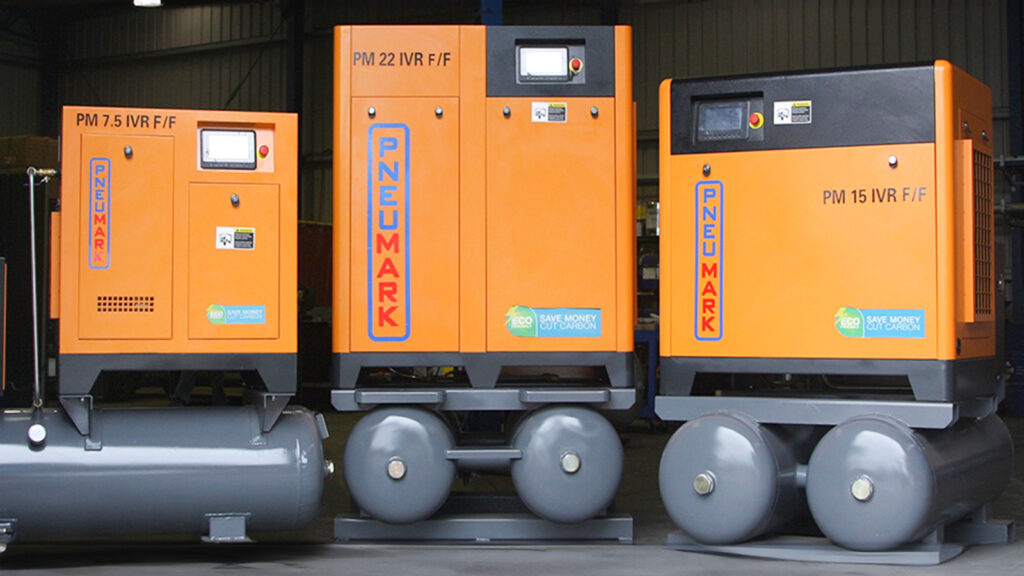
How A Rotary Screw Air Compressor Works 1. What is a rotary screw air compressor? A rotary screw air compressor is one of those machines that does its job quietly in the background, but without it, a lot of industries would simply stop. If you’re asking what is a rotary screw air compressor? in simple terms, it’s a machine that takes in air and squeezes it using two spinning rotors. No pistons banging up and down. Just two screws are turning against each other inside a housing. That’s really the core idea. They’re used anywhere you need air for long periods — workshops, factories, construction setups, and even mining support operations. In places like Perth, where equipment often runs hard and long, these machines show up everywhere for a reason. SL Engineering deals with these systems regularly because they’re a standard part of industrial setups across WA. 2. The basic idea behind how it works So, how does a rotary screw air compressor work? It helps to picture two long metal rotors sitting side by side. They look like big screws or helical gears. One is the male rotor. One is the female rotor. When the machine starts, both of them spin in opposite directions. Air comes in through the intake valve and gets trapped between the threads. As the rotors keep turning, that trapped pocket of air gets pushed along the chamber. The space around it gets smaller and smaller. That’s where compression happens. Nothing dramatic. No sudden action. Just constant squeezing as the air moves forward. By the time it reaches the outlet, it’s under pressure and ready to be used. It’s continuous too. That’s the key difference. There’s no stop-start cycle like a piston compressor. Once it’s running, it just keeps going. 3. Step-by-step flow inside the compressor If you break it down simply, the process goes like this: Air gets pulled in. It gets trapped between the rotating screws. The screws turn and carry the air forward. The space tightens, pressure builds. Then it gets pushed out the other end. That’s it. But what’s interesting is how smooth it all is. There’s no pulsing. No vibration spikes as you’d get from older compressor types. That’s why they’re used in environments where steady air pressure matters more than anything else. In a lot of Perth workshops and industrial sites, you’ll notice screw air compressors running almost constantly during the day. They’re built for that kind of load. And because of that steady, continuous delivery of air, the whole system tends to run more efficiently, with less strain placed on both the compressor itself and the tools that depend on it. In environments where production can’t afford interruptions, that level of consistency becomes less of a luxury and more of a requirement for keeping operations running without delays. 4. Why industrial screw air compressors are built this way Industrial screw air compressors aren’t designed for occasional use. They’re designed for pressure and endurance. The reason the screw design works so well is that there are fewer moving parts compared to piston systems. Less impact. Less wear from sudden force changes. Inside the chamber, the rotors don’t actually touch. There’s a thin oil film in oil-injected models that helps seal and cool everything. That also reduces friction and heat. So instead of mechanical shock, you get smooth rotary motion. This is also why they last longer under heavy workloads. For industries that can’t afford downtime — manufacturing lines, fabrication shops, and mining operations — this matters more than anything else. 5. Oil-injected vs oil-free systems Most screw air compressors you’ll see are oil-injected. Oil is added to the compression chamber for three reasons: cooling, sealing, and lubrication. It makes the system more efficient and helps it handle long run times without overheating. The trade-off is that the oil needs to be separated out before the air is used. Then you’ve got oil-free systems, which are more specialised. No oil enters the compression chamber at all. That means the air coming out is clean from the start. These are used in industries where contamination is a problem — food production, pharmaceuticals, and electronics. They’re more expensive, but they’re necessary in those environments. Both types fall under industrial screw air compressors, just used for different purposes depending on how clean the air needs to be. 6. Why Perth businesses use them so heavily In WA, especially around Perth, air compressors are everywhere once you start looking. A lot of businesses in Perth rely on compressed air for tools, machinery, and production lines. Whether it’s automotive workshops, metal fabrication, or construction sites, air is basically another utility like electricity. A typical Perth air compressor setup has to deal with heat, dust, and long operating hours. That combination is where screw compressors make sense. They handle continuous load better. They don’t struggle with overheating the way smaller systems can when pushed too hard. And they’re not just about power — they’re about consistency. Tools run more smoothly when the air pressure doesn’t drop halfway through a job. That reliability is what keeps them in use across so many industries here. 7. Where SL Engineering fits into it SL Engineering, based in Perth, works around systems like this regularly. Most people don’t think much about compressed air until something goes wrong. Pressure drops, tools slow down, production gets interrupted. That’s usually when the system gets attention. Whether it’s setup, maintenance, or supporting existing installations, screw air compressors are a core part of industrial work across WA. That’s where reliable engineering support becomes important, especially in keeping systems running efficiently under load. In many cases, the real difference comes down to how well the system is designed and maintained over time. Businesses that get this right tend to see fewer breakdowns, more consistent output, and better overall performance. And honestly, the machine itself isn’t complicated once you break it down. Two rotors, continuous flow, steady compression. The real complexity is in keeping it running
What Size Air Compressor Do You Need? A Simple Guide for Businesses

What Size Compressor Do You Need? A Simple Guide to Choosing the Right Air Compressor Picking the right size is crucial for optimal air compressor performance. As a business owner, you might not always know about the technicalities of air compressors. All you care about is buying the right model offering the best output. Don’t worry. Our knowledge of compressed air units is unmatched. Drawing from our extensive experience, we are here to answer all the questions. One of the most common questions business owners have is: What size compressor do I need? This blog answers this million-dollar question. Additionally, through meticulous research, we have curated a simple guide to choosing the right air compressor. So, read until the end to make an informed decision. Why is it important to choose the right size? The importance of choosing the right air compressor size cannot be stressed enough. Got an air compressor that is too small? The output will be compromised. Got an air compressor that is too big? Too much energy will be consumed. Only when you choose the right size do you get the right output without consuming unnecessary energy. How to choose an air compressor of the right size? Continue reading to learn more. Here are the important factors to consider for sourcing a compressor of the right size Calculate the compressed air requirement for your pneumatic tools and equipment Calculate the duty cycle Calculate future expansion Tanks size Energy efficiency Air quality needs Compressor Selection Criteria 1. Cubic Feet per Minute An air compressor is primarily defined by its airflow capacity, measured in CFM (Cubic Feet per Minute). This determines how much air the compressor can deliver. To choose the right size: Calculate the requirements of all the pneumatic tools and equipment You must keep an additional buffer for handling peak demand Choosing the right size is important to prevent poor performance and downtime. 2. Pressure (PSI) An air compressor that cannot deliver high-pressure air is a liability for manufacturers and industrial clients. Pressure is measured in PSI. It is the unit in which the air is delivered to pneumatic tools. It is important to invest in a compressor that meets the PSI requirement of your heaviest pneumatic tool and equipment to ensure uninterrupted operations. 3. Duty Cycle Duty cycle is the timeframe of how long an air compressor can run before it must stop for the cooling period. Duty cycle is denoted in percentage. Here’s how it is calculated. The percentage is determined based on how long an air compressor can run in a 10-minute timeframe If the air compressor can run for 6 minutes (out of the general 10-minute timeframe), the compressor has a duty cycle of 60% 4. Tank Size Air compressor tanks store compressed air to ensure a steady pneumatic supply. This prevents the compressor from cycling frequently, maintaining energy efficiency. For manufacturing plants and industrial facilities demanding higher compressed air, it is recommended to install larger tanks to prevent frequent cycling. 5. Energy Efficiency The rising energy cost is a cause of concern for many businesses in Australia. Since an air compressor is an inextricable element for many businesses, it is almost always functioning, which means constant energy usage. All these factors highlight the importance of buying energy-efficient air compressors. 6. Future Expansion Unsure what size compressor you need? Always consider future expansion plans while choosing an air compressor. If you plan to scale operations in the near future, you will greatly benefit from a larger compressor. If you don’t have plans to scale anytime soon, buying a larger compressor leads to energy wastage and higher operating costs. 7. Installation & Space Floor space is among the most important factors influencing the size of air compressors in Perth. If you source an unusually large air compressor for a facility with minimal floor space, installation and maintenance can be quite challenging. Moreover, ventilation is also an important aspect to consider. If the compressor is kept in a place without adequate space and ventilation, the air compressor heats up and gradually gets damaged. Conclusion No matter what size compressor you need, you can get it at SL Engineering. Situated in Perth, WA, we supply a wide range of screw air compressors and piston air compressors to clients across Western Australia. Our Pneumark air compressors are larger in size. This is a conscious design choice to effectively deal with the extreme Western Australian weather conditions. Call (08) 9399 9412 or email info@slengineering.com.au to get a free quote today. We also supply air dryers, receivers, and auto drains at the best rates.
What Is a Compressed Air Dryer? How It Works, Types & Uses
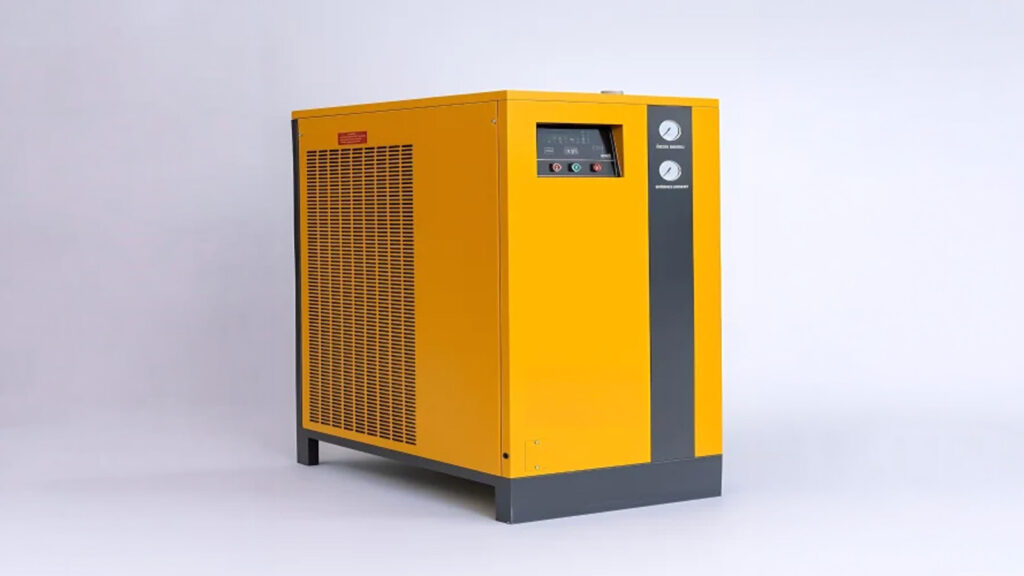
What Is a Compressed Air Dryer? How It Works, Types, and Common Uses If you are wondering what a compressed air dryer is, you’re at the right place. It is an integral aspect of compressed air systems that keeps moisture out. Moisture in the air damages the efficiency and longevity of pneumatic tools and equipment. In this blog, we give a detailed breakdown of what a compressed air dryer is, how it works, its types, and the many common uses. Read until the end to make an informed decision. Why is it important to remove moisture from compressed air? The presence of moisture is detrimental due to the following reasons: It causes corrosion of the internal components Damage to pneumatic tools Compromised product quality Compromised safety One of the best ways to remove moisture in compressor systems is through a compressed air dryer from SL Engineering. Our homegrown brand Pnuemark has a wide range of piston and screw air compressors. Continue reading to learn more about this. How Does an Air Dryer Work? The functioning of an air dryer depends on its type. There are many different types of air dryers, mainly refrigeration, desiccant, and membrane air dryers. In a refrigerated air dryer, as the name suggests, the moisture is removed by cooling and condensing the mixture. On the other hand, desiccant air dryers use absorption materials, such as activated alumina, silica gel, and molecular sieves, to trap and discard moisture. Membrane air dryers use semi-permeable membranes to separate moisture and contaminants from compressed air. Polysulfone (PSU), Polyimide (PI), Cellulose Acetate, and Polyamide are some of the most common materials used to make these semi-permeable membranes. The Uses of Air Dryers Now that we have discussed what a compressed air dryer is, let’s take a look at its uses. Dry air is critical for many industrial applications. Continue reading to learn the many uses of air dryers. 1. Manufacturing and Industrial Operations From automotive to metal fabrication, a wide range of industrial operations rely on air dryers to remove moisture from the compressed air system. Dry air ensures smooth equipment operation, reduces wear and tear, and maintains consistent production output. Industries include automotive, metal fabrication, textiles, and packaging. 2. Food and Beverage Industry Moisture is absolutely not acceptable in the food and beverage industry. It messes with the product’s taste, texture, and shelf life. Moisture causes bacterial growth, making the product fail compliance and safety tests. Investing in an exceptional air dryer is the key to preventing spoilage and maintaining the highest safety standards. 3. Pharmaceuticals Medicines and pharmaceutical products must meet the highest safety standards. They are manufactured in an environment where temperature and cleanliness are controlled. Similarly, pharmaceutical production requires extremely clean and dry air to avoid contamination. This is where an air dryer comes into play. 4. Painting and Coating Applications Painting and coating are crucial for making the products look presentable and attractive. Moisture in compressed air can ruin paint finishes by causing bubbles, uneven coating, and poor adhesion. It is important to invest in air dryers to ensure a smooth, high-quality painting finish. Conclusion In this blog, we have briefly discussed what a compressed air dryer is, how it works, its types, and its many common uses. Look no further than SL Engineering to source the best air dryer without breaking the bank. We have been setting benchmarks in the compressed air industry since 1988. Call (08) 9399 9412 or email info@slengineering.com.au for more information. We also offer servicing, maintenance, and repairs.
How to Know When Your Industrial Air Compressor Needs Servicing?
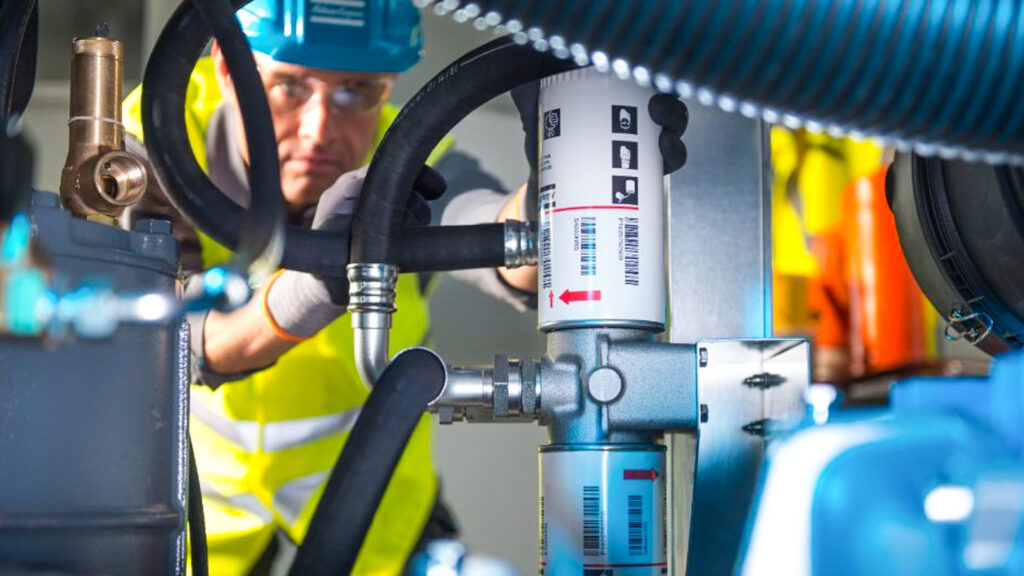
How Do You Know When Your Industrial Air Compressor Needs Servicing? Servicing is a necessity to keep machinery and equipment running smoothly. Failing to invest in servicing compromises performance and safety. It also increases operational costs and turns a compressor from an asset to a liability. If you own an industrial air compressor, you must not ignore its maintenance requirements. It costs a lot of money to make extensive repairs as opposed to preventive maintenance and servicing. A well-maintained industrial air compressor becomes an invaluable asset for your manufacturing plant.Even the smallest issue with an industrial air compressor can bring the entire manufacturing plant to a halt. One of the classic mistakes people make is not servicing the compressor at the right time. Doing it too late means compromised output. Look for these signs to see if your air compressor needs servicing. Here’s Why Servicing is Better Than Repairing Prevention is better than a cure. These are the golden words that compressor owners must not forget. By not waiting until the last moment, you minimise the risk of operational disruption.Servicing early is the key to long-term efficiency. Also, repair costs are generally more expensive than servicing and maintenance. Finding a part replacement can also be time-consuming. Meaning, your entire operation can come to a standstill. Signs air compressor needs servicing 1. Unusual Noises Keep your ears open! If you hear voices that you otherwise don’t, it is a classic telltale of hidden damage. Noises such as grinding, knocking, and rattling are a result of internal damage that must be addressed immediately. 2. Reduced Air Pressure or Output Compromised performance of pneumatic tools and equipment is mostly due to reduced air pressure or output. Air leaks, clogs, damaged internal components, and outdated technology are all reasons causing reduced air pressure or output. 3. Excessive Moisture in the System Moisture in the system is detrimental to compressor performance. Additionally, it also affects the longevity and efficiency of pneumatic tools and equipment. If you detect moisture in the output, it is most likely due to air dryer damage. Since air driers are crucial to optimal performance, it is important to maintain them in top-notch condition. 4. Frequent Overheating While it is normal for the air compressor to generate some heat, overheating is often a sign of internal damage. If you notice frequent overheating of air compressors, it could be because of filter, ventilation, or lubrication issues. Act promptly to mitigate the overheating and prevent long-term damage. 5. Increased Energy Consumption Increased energy consumption is a classic sign air compressor needs servicing. Unusual increase in energy bills over the last few months, while the usage stays the same? It is most likely due to performance inefficiencies. Damaged internal parts force the compressor to use more energy to deliver the same output. Preventive maintenance and timely servicing keep air compressors in good condition, helping keep the energy bills in check. 6. Oil Leaks or High Oil Consumption Oil leaks from air compressors are a big no-no for manufacturing facilities. Also, if the oil top-ups are becoming increasingly frequent, something is not quite right. Oil leaks and overconsumption are most likely due to worn seals and gaskets, demanding immediate attention. 7. Irregular Cycling Has your air compressor been frequently switching on and off? It could be due to an underlying condition that requires immediate attention. Irregular cycling causes energy overconsumption and stress on internal components. It is usually considered a strong sign air compressor needs servicing. 8. Warning Indicators or Alarms Modern compressors come with built-in alerts. Ignoring these warnings can result in major breakdowns over time. When you see warning indicators and alarms, it is best to call in a compressor service expert to resolve the situation immediately. Conclusion Whether for sourcing the best air compressor or flawless servicing, you can rely on SL Engineering in Perth, WA. Setting benchmarks in the compressed air industry since 1988, SL Engineering sells a wide range of screw air compressors and piston air compressors from Pneumark, our homegrown brand.Our team of compressor experts also offer installation, servicing, and maintenance services across Western Australia. Call (08) 9399 9412 or email info@slengineering.com.au to place an order or avail our service today.
Types of Air Compressors: Which Is Right for Your Project
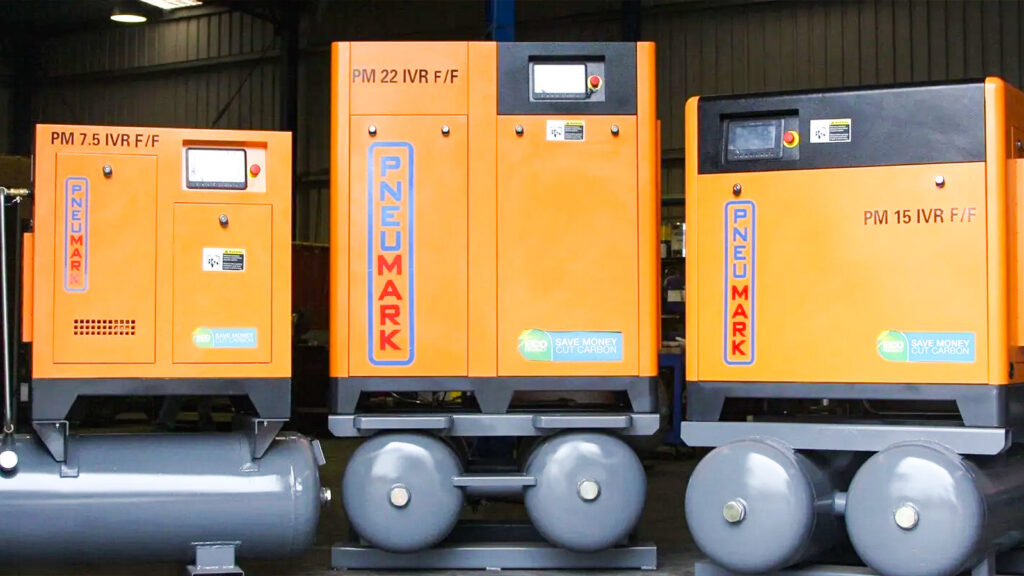
Types of Air Compressors: Which is Right for Your Project An air compressor is one of the most important additions for businesses. A compressed air system is crucial for operating pneumatic tools, such as wrenches and hammers, material handling, supporting production lines, and other applications. It is used for everything from blowing and drying to spray painting and packaging at manufacturing plants, industrial facilities, construction sites, and automotive garages. You can only reap the benefits of compressed air when you choose the right type. In this blog, we list the different air compressor types to help you make the right decision. Read to the end to learn about the various types of air compressors on the market and how they can benefit your business. Here are Four Major Air Compressor Types Rotary Screw Compressors This is arguably the most popular compressor in the industrial world. Also simply known as the screw air compressor, this is a highly reliable compressor you can trust for an uninterrupted compressed air supply. The working principle of a rotary screw compressor is simple. It relies on two interlocking helical screws to compress air and move it through the compression chamber. The constant rotary screw movement means the air intake and the compression never stop. Here are four important stages of rotary screw air compression. Air intake Air trapping Compression Discharge Here are situations when investing in rotary screw air compressors is sensible: You need a non-pulsating, continuous supply of compressed air. Your air demand is high and consistent You want to prevent downtimes at all costs You want to lower energy bills You want to bring down the noise levels You are planning to scale or grow operations Reciprocating (Piston) Air Compressors Powered by crankshaft-driven pistons, reciprocating air compressors are always in high demand. The back-and-forth motion of the pistons ensures efficient air compression, enough to power pneumatic tools and equipment. One key thing to understand before sourcing piston air compressors is that they operate in start-stop cycles. Meaning, the air supply will be pulsated. Unlike screw air compressors that can operate continuously 24×7, reciprocating piston air compressors are designed to run on a defined duty cycle. The duty cycle is determined by how long the air compressor can work before entering the rest or cool-down period. Piston air compressors come in two designs, single-stage and double-stage. It represents the number of times the air is compressed before being discharged. Double-stage piston air compressors are designed to provide higher pressure output than single-stage. Here are situations when investing in reciprocating piston air compressors is sensible: When you need higher pressure but lower airflow The compressed air demand is intermittent It is for a small to medium-sized workshop You seek a lower maintenance cost You are on a budget You seek portability Axial Compressors Investing in axial compressors for generic applications is usually overkill. The working principle of axial compressors is interesting. These compressors boast a shaft, simply called the compressor shaft, that’s crucial to the entire compression process. Parallel to the shaft are usually a series of stationary and rotating blades. When the air passes through these blades, the force gradually multiplies. This facilitates the delivery of a large volume of air despite the unit being relatively compact. Here are situations when investing in axial compressors is sensible: You seek very high airflow volumes You seek low to moderate pressure ratios You are looking for a compact air compressor unit You operate in power generation or specialised industries Centrifugal Compressor The top-of-the-line compressors, centrifugal models, are ideal for large manufacturing units, refineries, and power plants. These premium compressors are oil-free and ensure a continuous, non-pulsating air supply 24×7. The working principle of a centrifugal compressor is quite interesting. An impeller in the compressor draws in atmospheric air. It relies on a diffuser to convert kinetic energy into compressed air, ensuring a continuous air supply. Here are situations when investing in centrifugal compressors is sensible: You want low to zero vibration You want clean, oil-free compressed air Your facility is open 24×7 Energy efficiency is crucial for your operations Choosing The Right Air Compressor For Your Project Buying the right air compressor type is crucial to ensure maximum efficiency. Considering factors such as airflow requirement, pressure levels, duty cycle, and energy efficiency is crucial. It won’t be an exaggeration to say that the reciprocating piston compressors and rotary screw compressors dominate the market for generic industrial applications. If you are looking for a trusted supplier for your compressed air needs, look no further than SL Engineering in Perth, WA. Setting benchmarks in the compressed air industry since 1988, our brand name is synonymous with quality. Our home brand, Pneumark, has an exceptional range of air compressors compliant with Australian design standards. Apart from piston and screw air compressor types, we also supply air receivers, air dryers, and digital tyre inflators. Call (08) 9399 9412 or email info@slengineering.com.au to get a free quote.